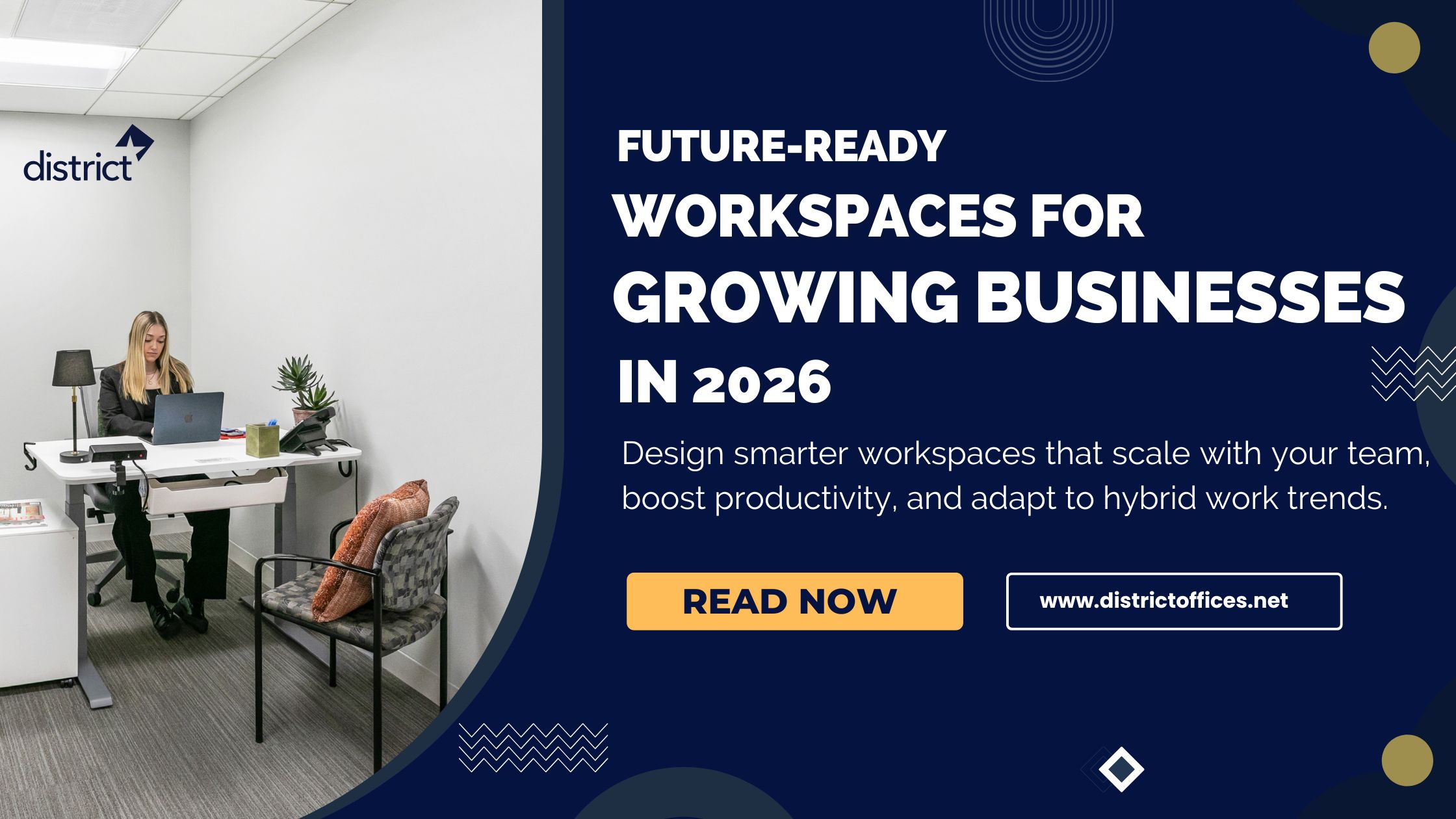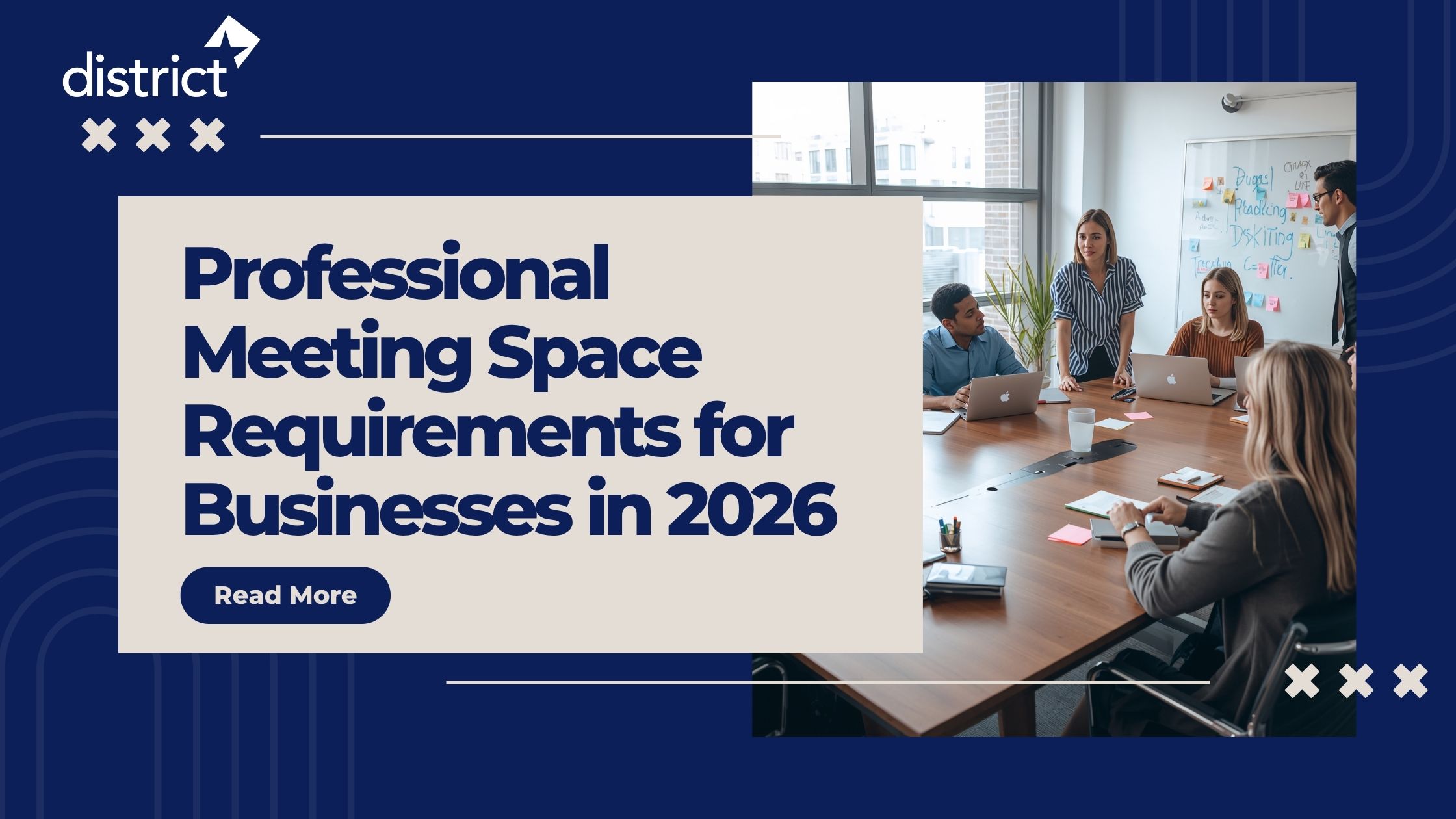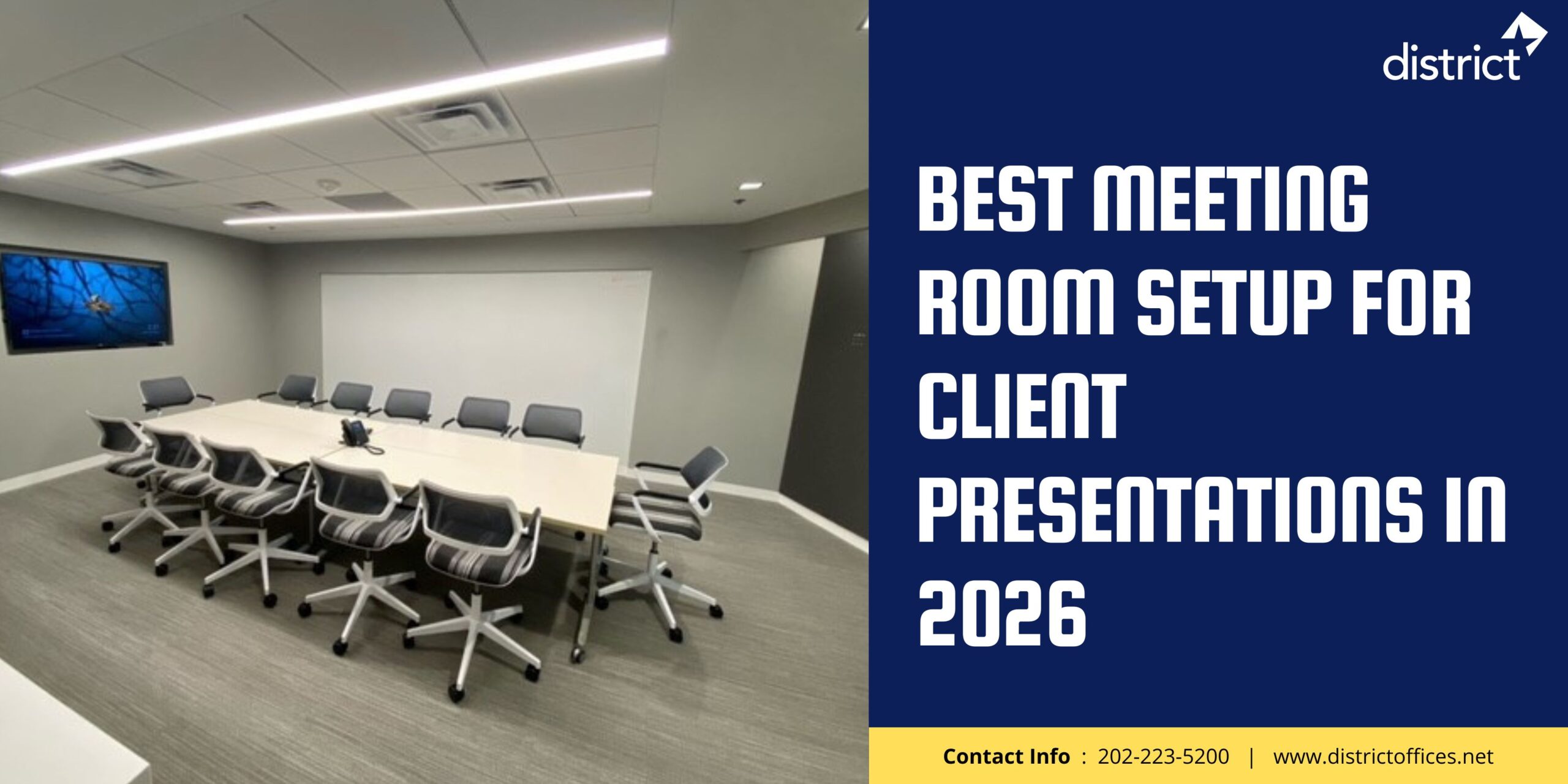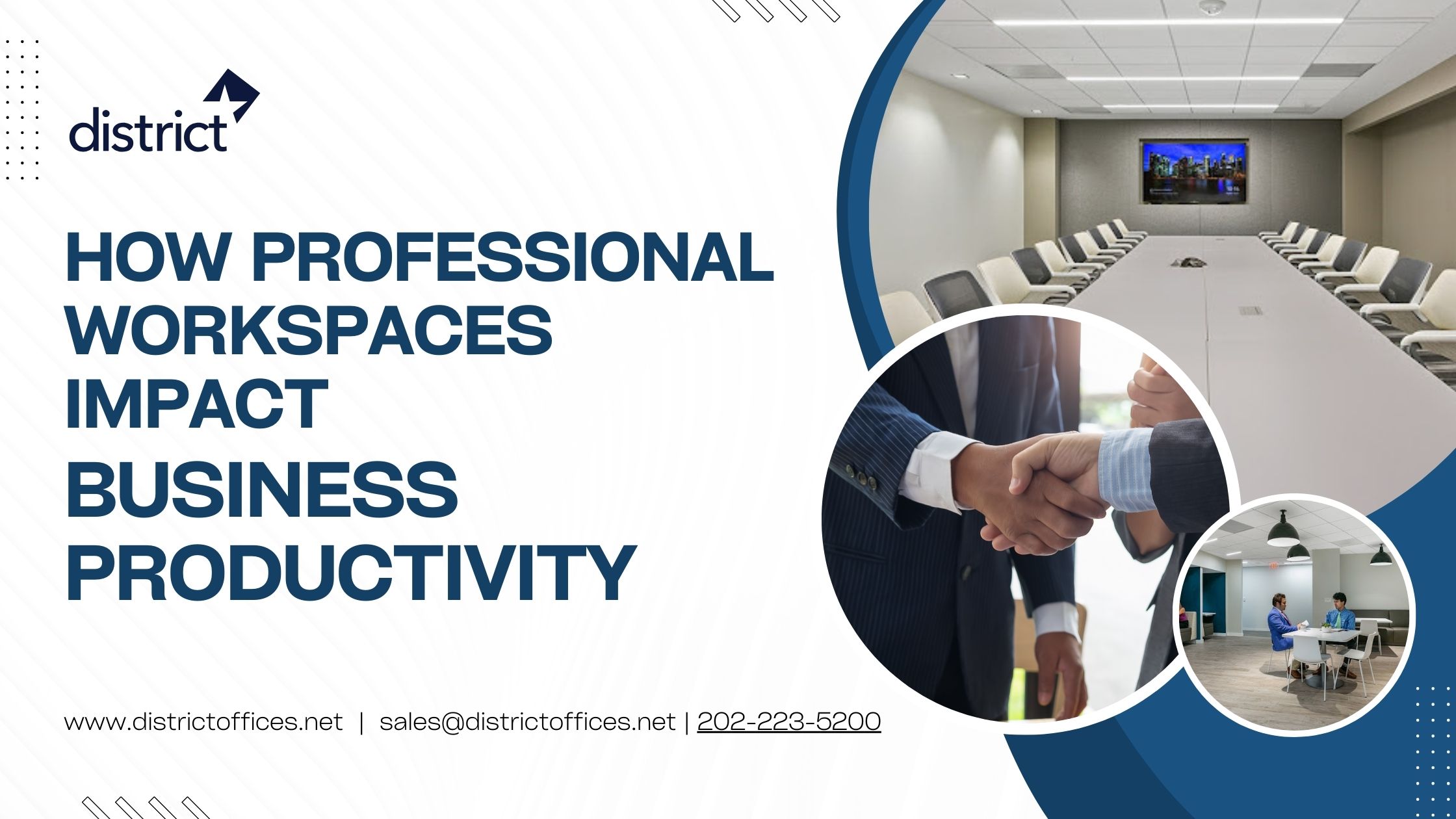


Your workspace plays a vital role in shaping team performance and overall productivity. Whether you’re a startup or a growing enterprise, having a professional workspace can make a significant difference.
In fact, studies show that employees in well-designed workspaces can be up to 20% more productive. A professional environment drives efficiency, boosts morale, and encourages collaboration—all essential for sustainable business growth.
If you’re wondering how a professional workspace impacts productivity, this blog is for you. We’ll also introduce a trusted workspace provider and highlight common mistakes to avoid when setting up your office.
What is a Professional Workspace?
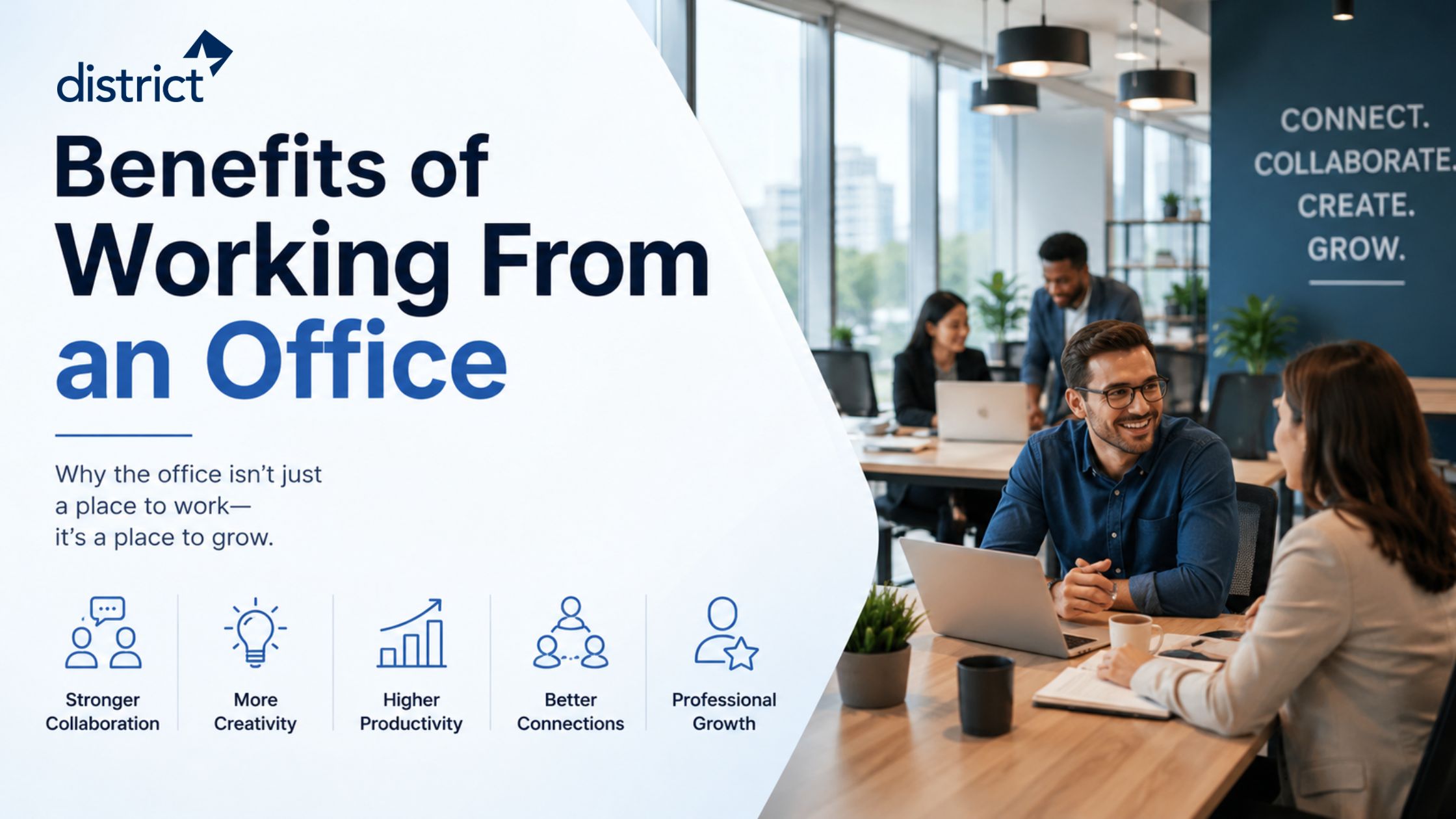
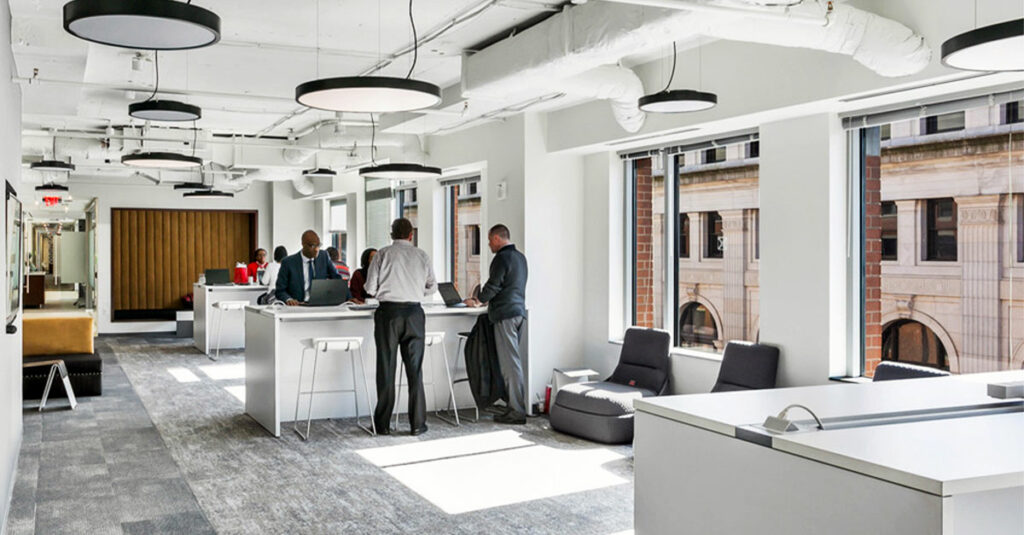
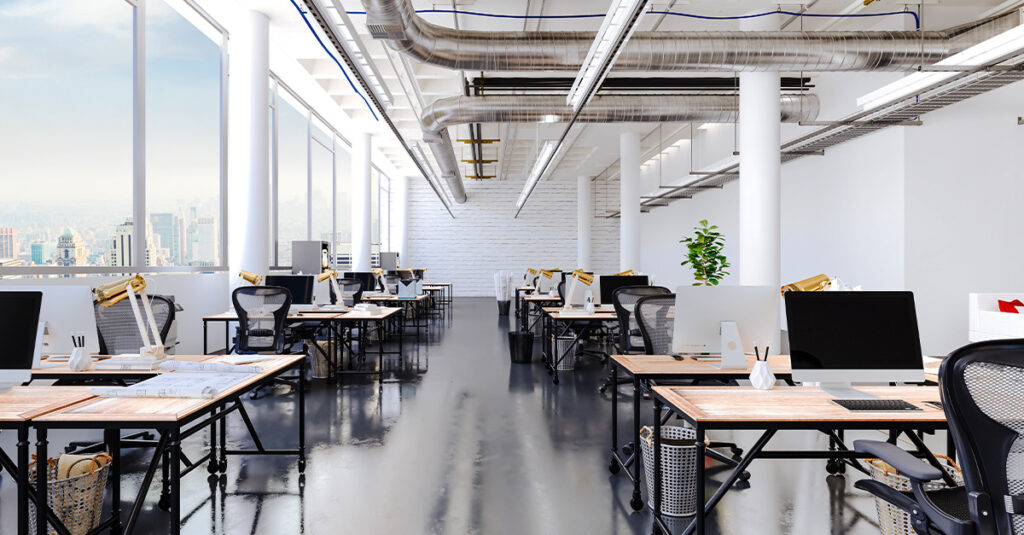
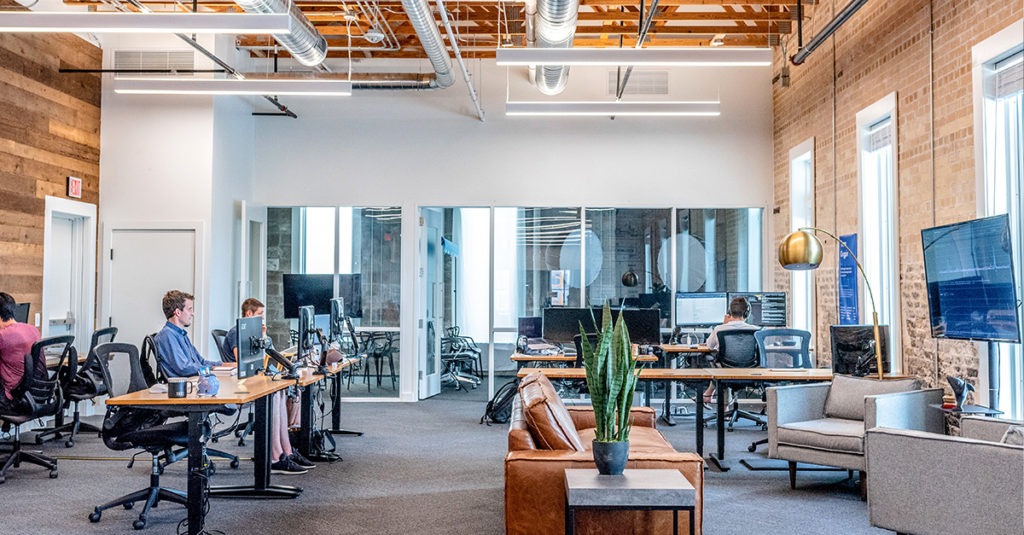
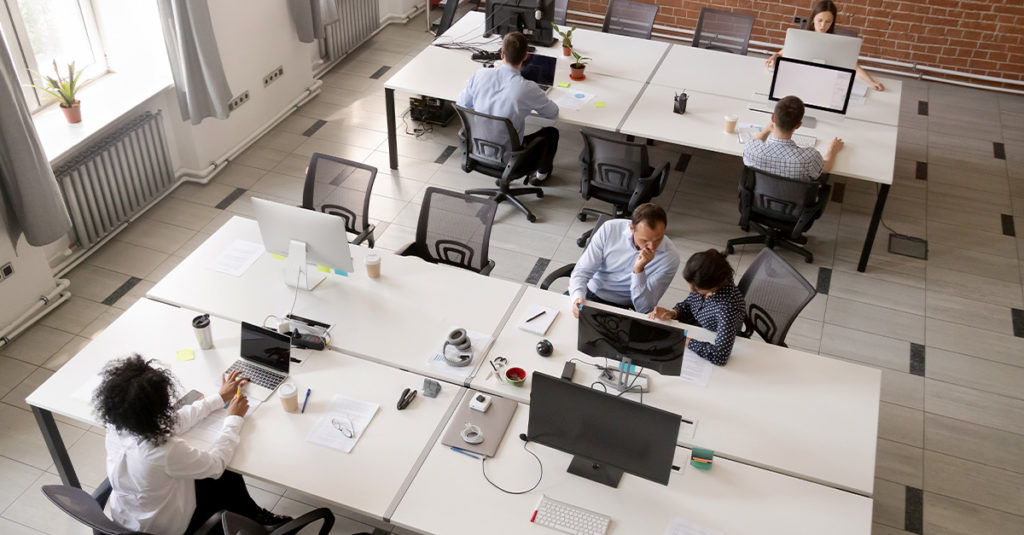
A professional workspace isn’t just a place to sit and work. It’s an environment specifically designed to support productivity, collaboration, and efficiency.
Traditional offices offer structure but can feel rigid. Coworking spaces offer flexibility but often lack privacy. A home office is convenient but full of distractions and limited resources.
A professional workspace brings the best of all worlds: a distraction-free, polished, and resource-rich environment that helps people focus, work efficiently, and collaborate seamlessly.
Also Read: What is a Hybrid Workspace and Why It’s the Future of Business Growth
Key Features of a Professional Workspace:
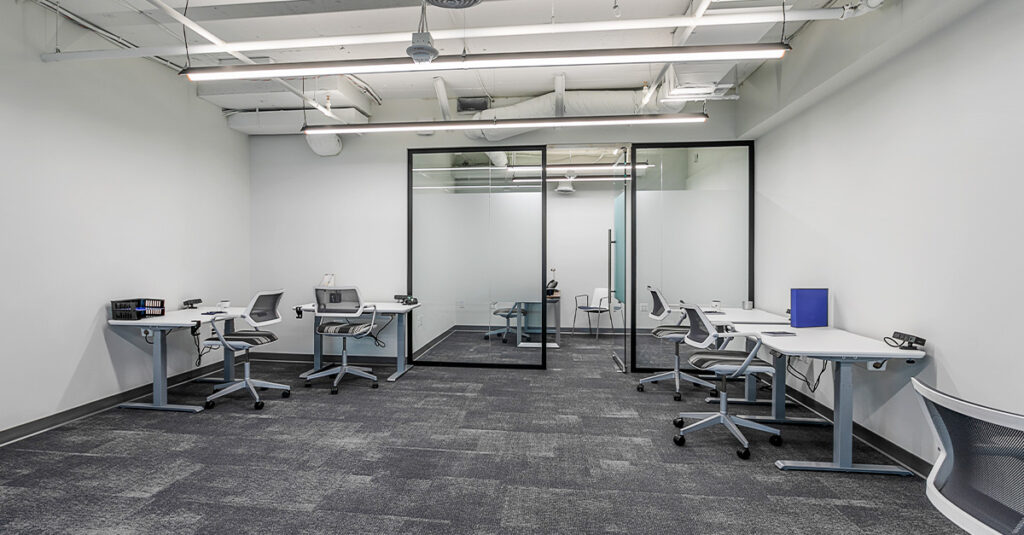
- Ergonomic Furniture: Supports long-term health and comfort, allowing employees to focus without physical strain.
- Thoughtful Design: Streamlined layouts reduce clutter and support efficient workflows.
- Integrated Technology: High-speed internet, smart tools, and seamless communication systems increase output.
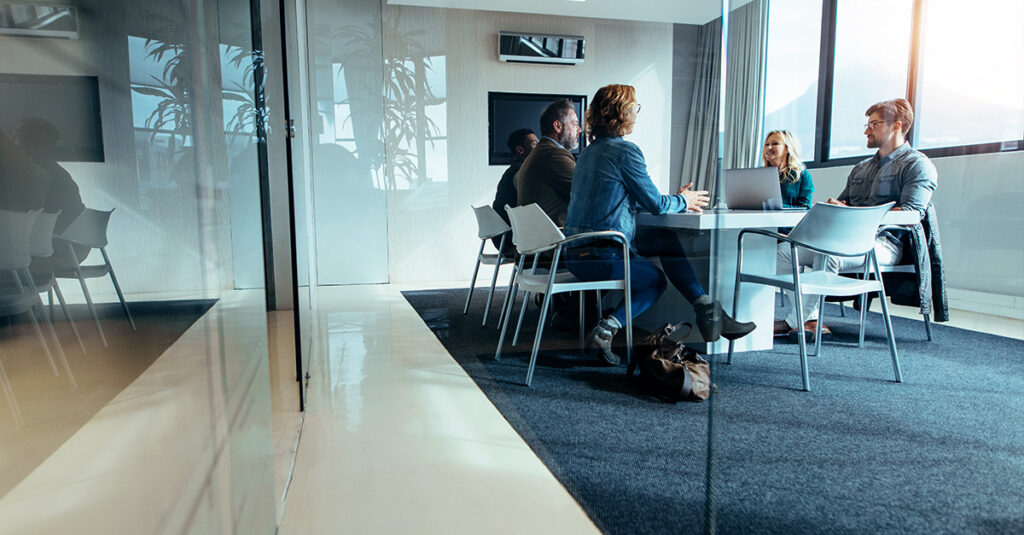
- Collaborative Spaces: Private meeting rooms and team areas foster brainstorming and client engagement.
Together, these features create a foundation for higher productivity and a stronger business presence.
How does a Professional Workspace Improve Productivity?
Your environment directly influences how effectively you work. Here’s how a professional workspace enhances performance:
- 1. Organization Boosts Focus
- A clean, structured space means less time lost to clutter—and more time spent doing deep, focused work.
- 2. Ergonomics Enhance Comfort
- Supportive chairs and adjustable desks reduce fatigue, keeping energy levels high throughout the day.
- 3. Technology Streamlines Workflows
- Reliable internet, modern tools, and secure systems make communication faster and tasks more efficient.
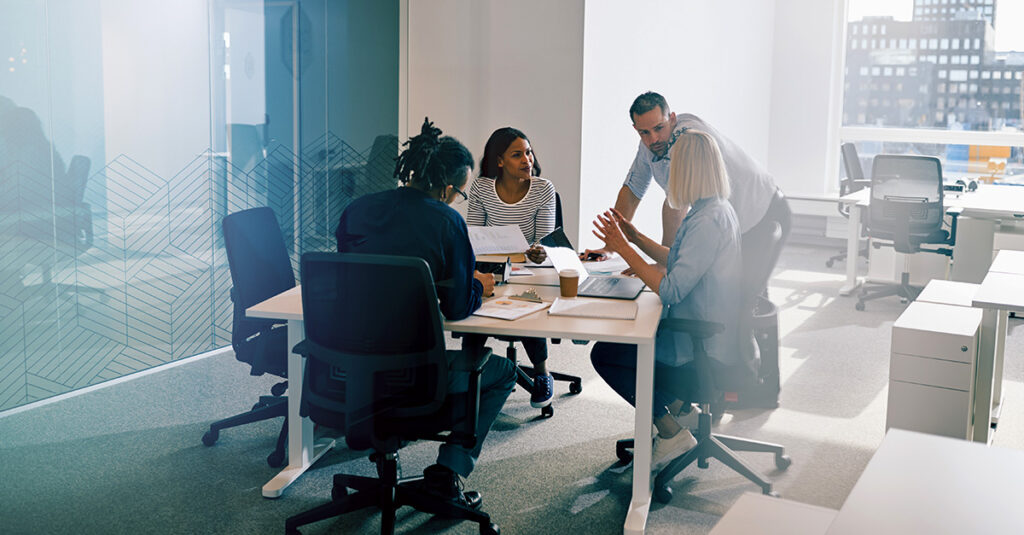
- 4. Collaboration Sparks Innovation
- Well-equipped meeting rooms allow for effective teamwork, idea-sharing, and creative problem-solving.
Psychological and Emotional Benefits of a Professional Workspace:
Beyond the physical setup, a professional workspace supports mental well-being and motivation.
- Increases Motivation
A clean, organized environment encourages a more focused mindset.
- Reduces Stress
Quiet, distraction-free zones support calm, sustained work.
- Promotes Professionalism
Employees feel more engaged and proud of where they work.
- Supports Well-being
Comfortable spaces with natural light and thoughtful design foster a sense of care and stability.
When employees feel supported—mentally and physically—they’re happier, more productive, and more likely to stay.
Tips for Creating a Productive Professional Workspace
A productive workspace isn’t about flashy furniture—it’s about minimizing friction so people can get real work done. Here’s how to build one that works:

- Start with Comfort: Uncomfortable seating kills focus. Invest in chairs and desks that support long-term use.
- Design for Flow: Quiet zones for deep work, open areas for collaboration—each has its place.
- Fix the Tech: Slow Wi-Fi and outdated software are silent productivity killers. Smooth tech keeps teams moving.
- Declutter Regularly: Messy desks drain mental energy. A tidy space clears the mind.
- Allow Flexibility: Everyone works differently. Some need focus; others thrive on collaboration. Design for both.
Bottom line: Productivity isn’t about pushing harder—it’s about removing the small obstacles that slow you down.
Common Mistakes That Reduce Productivity:
Even with good intentions, small missteps can create big slowdowns. Here’s what to avoid:
- Overcrowding Your Space
Too many items = too many distractions. Keep only what you need on your desk.
- Neglecting Comfort
That old chair might be costing you more than you think—especially in lost focus and back pain.
- Ignoring Tech Issues
Unreliable Wi-Fi or cluttered cables waste more time than they’re worth. Fix it once and save hours.
- Using a “One-Size-Fits-All” Layout
Not every task needs the same setup. Offer quiet areas and team spaces.
- Letting Clutter Pile Up
A five-minute tidy-up routine can do wonders for morale and focus.
Remember: It’s not about working harder. It’s about working smarter by removing friction.
Why Trust District Offices for a Professional Workspace?
If you’re juggling 10 things and trying to present your business professionally, District Offices can take a load off your plate.
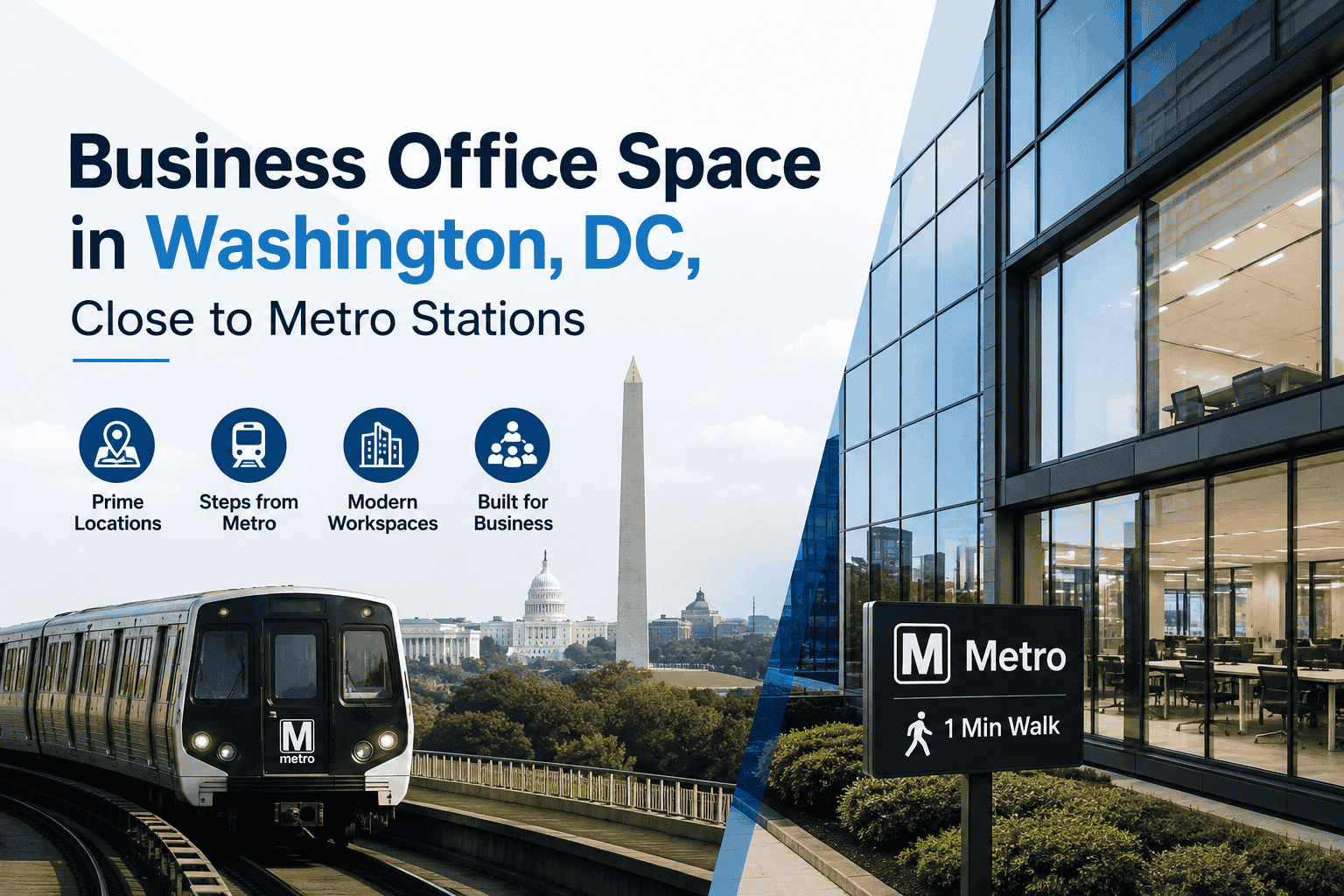
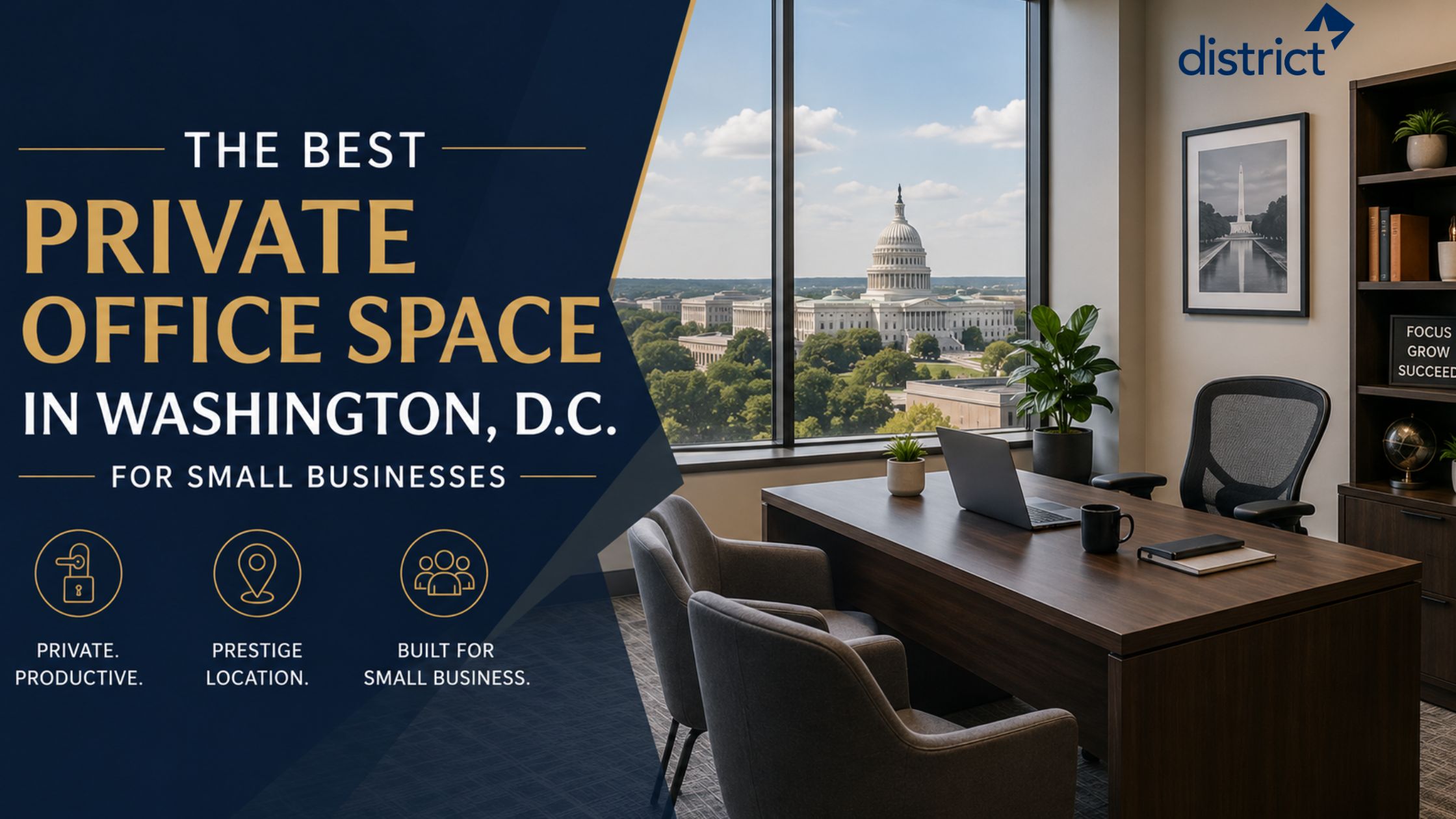
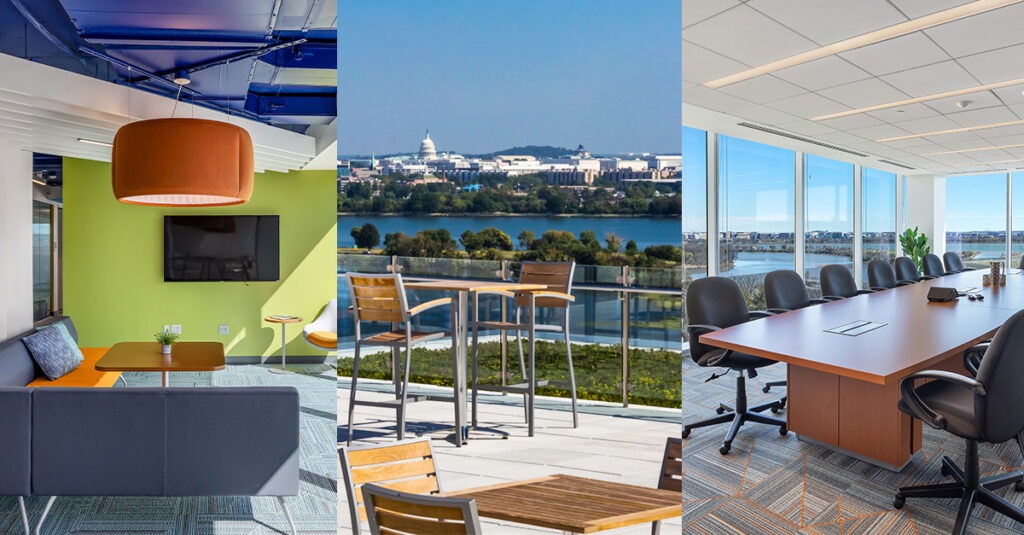
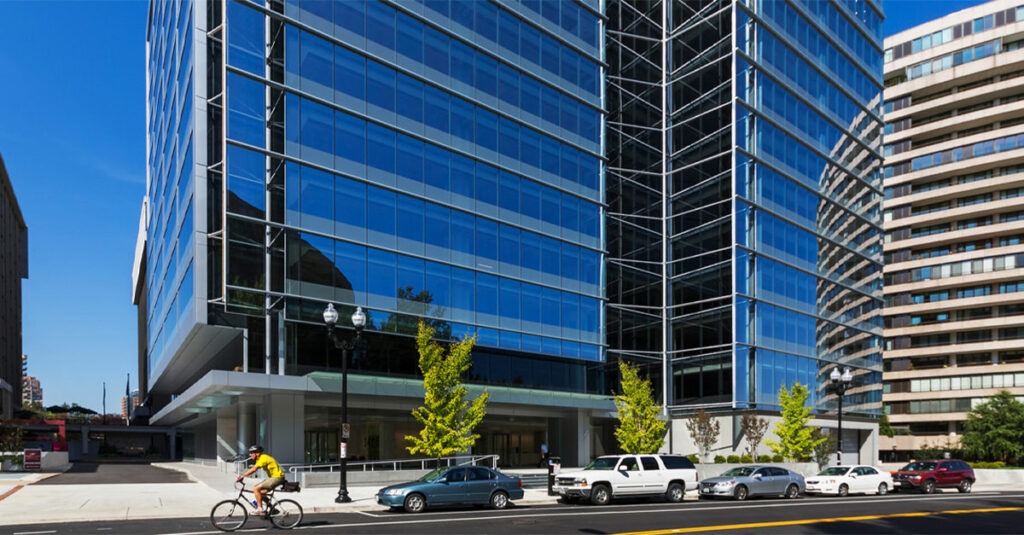
With prime locations across Washington, D.C., District Offices gives your business a credible presence—without the overhead of a long-term lease.
Here’s what makes them stand out:
- Ready-to-Use Workspaces – Move-in-ready offices that are fully equipped and polished
- On-Demand Meeting Rooms – Host clients without scrambling for space
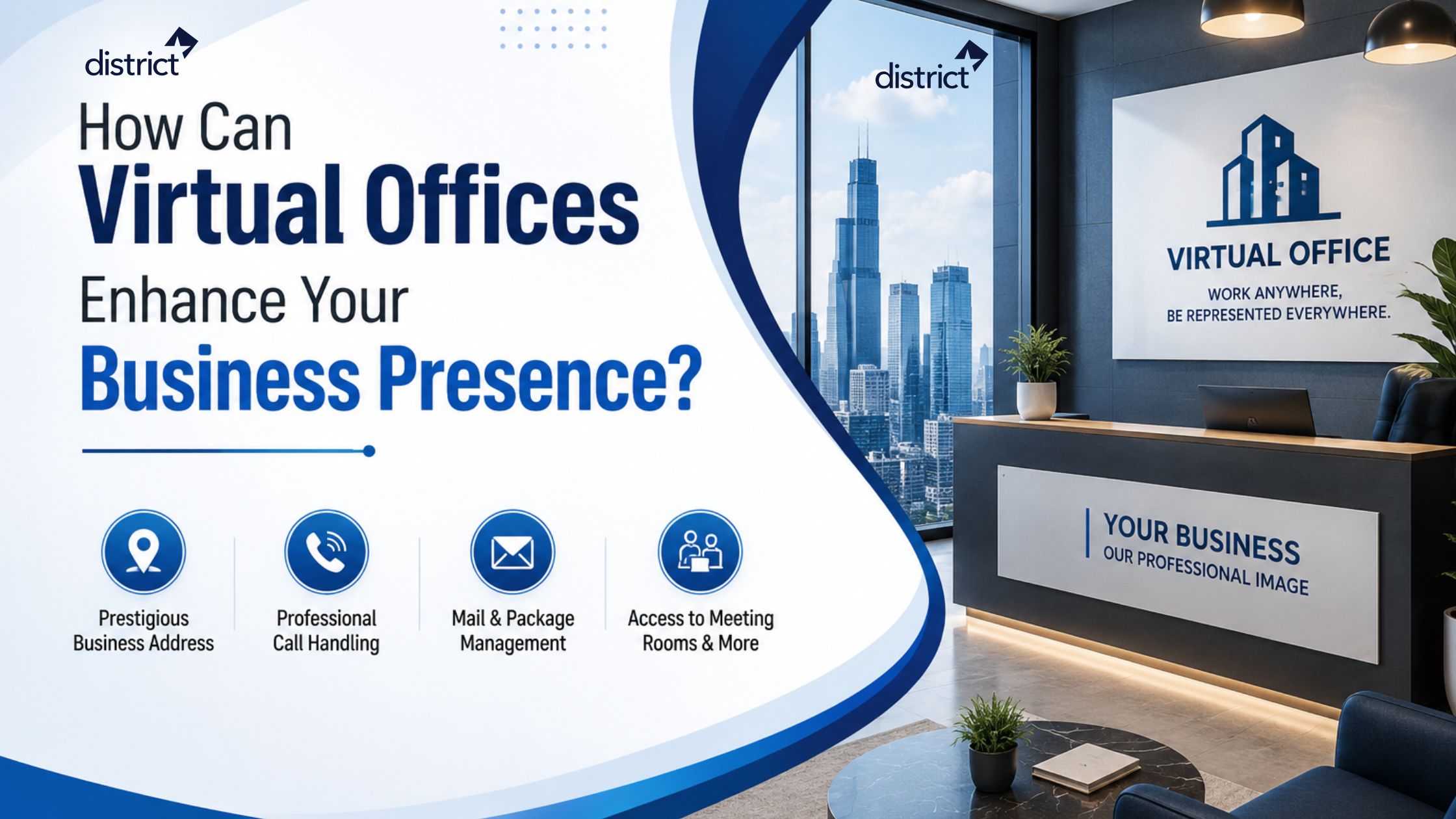
- Mail & Call Handling – Never miss important communication
- Flexible Plans – Scale up or down as your business needs evolve
In short, District Offices offers all the benefits of a full office—without the stress of running one. It’s the easiest way to elevate your business image, stay organized, and focus on growth.
Future Trends in Professional Workspaces:
The future of work is all about flexibility, personalization, and well-being. Here’s what’s coming:
1. Hybrid Work Models
Employees want the option to work from home and use a professional workspace when needed. Businesses that support this balance will retain happier, more productive teams.
2. Smart Office Technology
Think: desk booking via apps, rooms that auto-adjust lighting and temperature, and seamless video conferencing. These aren’t luxuries anymore—they’re expectations.
3. Wellness-Focused Design
Natural light, ergonomic furniture, quiet zones, and sustainable materials don’t just look good—they directly improve productivity and morale.
Key takeaway: Office design is no longer about filling space with desks. It’s about creating energy-efficient, people-friendly environments that help teams thrive.
The Gist of Blog!
Investing in a professional workspace—through design, tech, layout, and flexibility—is about more than appearances. It lays the foundation for long-term productivity, stronger team morale, and a more credible business image.
And if all of that sounds like a big setup, District Offices makes it simple. With flexible, fully equipped workspaces, professional services, and premium locations, they give your business the polish it needs—without the hassle of managing it yourself.
If you’ve been putting off the upgrade, now’s the time.
A professional workspace might just be the easiest move you make to boost productivity and credibility—all in one step.
Frequently Asked Questions:
A: A professional workspace helps you work better, driving comfort, focus and essential tools for better collaboration.
A: Fewer distractions, better seating, and clear layouts of workspace design can make you focus on work and help you enhance overall productivity.
A: A coworking space is almost similar to a professional workspace but lack privacy.
A: Overcrowding, ignoring ergonomics, poor tech, clutter, and layouts that don’t balance collaboration with quiet work.