

Work today moves at a pace most people never imagined a decade ago. Your inbox fills up before breakfast. Meetings stack up back-to-back. Notifications pull you in different directions. And even after you shut your laptop, your mind keeps replaying the day. Eventually, this nonstop pressure catches up and shows itself through stress, fatigue, or a complete sense of burnout.
Yet, there’s another way to work — one that lets you stay productive without feeling overwhelmed. Professionals who build strong work-life balance habits experience better focus, more motivation, and a healthier relationship with work. They don’t achieve this by doing less. They achieve it by creating a rhythm that protects their energy and supports their well-being.
This guide brings together the most effective, real-world work-life balance strategies. The goal is simple: help you create a life where you work well, live well, and maintain steady productivity without sacrificing yourself in the process.
What Work-Life Balance Really Means
Work-life balance isn’t about splitting your time equally between work and personal life. It’s about managing your responsibilities in a way that leaves room for rest, health, relationships, and joy. A balanced professional learns to:
- Stay focused during work.
- Protect their physical and mental health.
- Make time for people and personal priorities.
- Rest and recover meaningfully.
- End the day without feeling drained.
- Disconnect when work is done.
Balance isn’t rigid. Some periods will demand more work, while others require more personal attention. What matters is having harmony between the two, so work doesn’t consistently overshadow everything else.
When you find that rhythm, you become more present, more productive, and far more fulfilled.
What are the 10 proven work-life balance tips to stay productive at work?
Below are ten powerful strategies that help professionals maintain balance, reduce burnout, and stay productive with less stress.

1. Set Clear Boundaries Between Work and Personal Life
Work tends to expand if you don’t contain it. That’s why boundaries matter. Without them, work spills into meals, weekends and family time.
Why Boundaries Matter
Healthy boundaries help you:
- Reduce mental overload.
- Add structure to your day.
- Stay focused.
- End work on time.
- Protect your personal hours.
- Maintain emotional well-being.
How to Build Practical Boundaries
- Choose specific work hours — and stick to them.
- Stop checking emails once the workday ends.
- Turn off notifications after hours.
- Be open with your team about your availability.
- Use a simple end-of-day routine to switch off.
- Keep work on dedicated devices when possible.
- Work from a dedicated desk or coworking space to create a physical boundary.
Clear boundaries help your mind disconnect and recover.
2. Use the 8-8-8 Rule to Structure Your Day
The 8-8-8 rule is an easy way to divide your day into a healthy rhythm:
- 8 hours for work
- 8 hours for sleep
- 8 hours for personal time
Why the 8-8-8 Rule Works
It helps you:
- Protect your sleep.
- Keep work under control.
- Ensure you have personal time.
- Reduce stress.
- Maintain consistent routines.
How to Apply the Rule
- Start and end your workday at the same time.
- Leave evenings open for your personal life.
- Avoid late-night work so your sleep isn’t disrupted.
- Use your personal time for rest and meaningful activities.
This structure keeps your days balanced and predictable.
3. Follow the 20-20-20 Rule to Prevent Digital Fatigue
With long hours spent on screens, digital fatigue has become common. The 20-20-20 rule gives your eyes and mind a quick reset.
How It Works
Every 20 minutes:
Look at something 20 feet away
For 20 seconds
Why This Rule Helps
- Relieves eye strain
- Refreshes your mind
- Prevents headaches
- Helps you regain focus
- Adds natural mini-breaks to your day
These quick pauses make long work sessions easier to handle.
4. Prioritize Your Tasks Instead of Multitasking
Multitasking looks efficient, but it usually slows you down. Your brain performs better when you focus on one thing at a time.
Why Prioritizing Helps More
- You finish tasks faster.
- Your work quality improves.
- Stress levels drop.
- You avoid unnecessary overtime.
- You gain more clarity.
How to Prioritize Effectively
- Start with your most important task.
- Keep your daily to-do list short and achievable.
- Use time blocks for focused work.
- Batch similar tasks like emails or admin work.
- Reduce the number of meetings when possible.
Intentional work beats scattered effort every time.
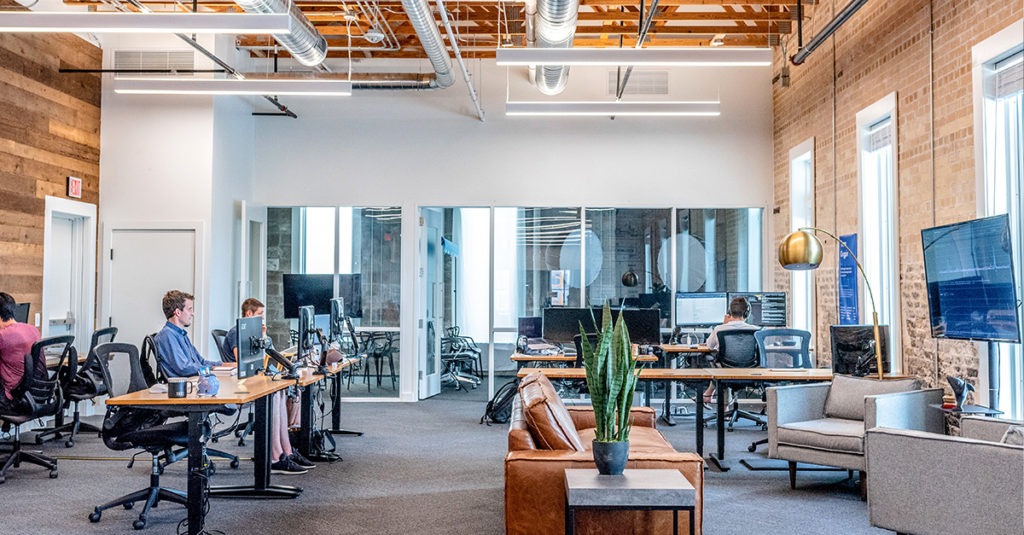
5. Build a Workspace That Supports Focus
Your workspace plays a major role in your energy and productivity. A cluttered or noisy setup drains your focus.
What a Healthy Workspace Includes
- An organized desk
- Comfortable seating
- Proper lighting
- Minimal distractions
- Enough space for movement
- Good posture support
Why the Right Workspace Strengthens Balance
A supportive workspace helps you:
- Get into “work mode” quickly.
- Stay motivated and focused.
- Reduce frustration.
- Finish work sooner.
- Protect your physical well-being.
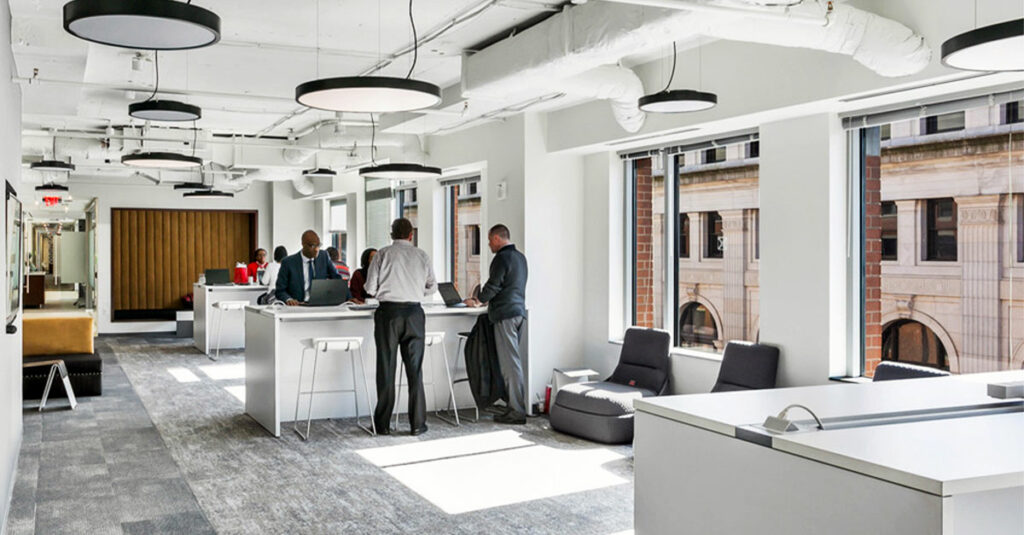
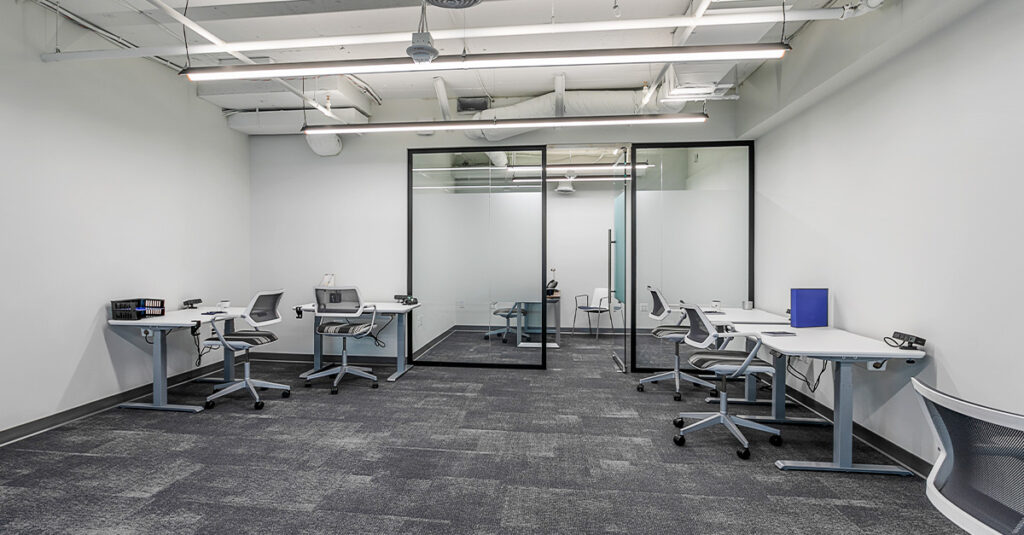
Benefits of Coworking Spaces and Dedicated Desks
Professionals often choose flexible workspaces because they offer:
- A structured routine.
- A quiet environment.
- Fewer distractions
- A professional feel.
- Clear separation between work and home.
Your environment should help you work better — not harder.
6. Take Breaks Throughout the Day to Recharge
Breaks are necessary for high performance. Your mind needs pauses to reset and return with fresh energy.
Why Breaks Improve Productivity
Breaks help you:
- Regain concentration
- Boost creativity
- Ease physical tension
- Lower stress
- Work more efficiently
Healthy Break Ideas
- Stretch for a few minutes.
- Go for a short walk.
- Drink water or tea.
- Step outside for fresh air.
- Do deep-breathing exercises.
- Listen to calming music.
Short pauses can dramatically improve the quality of your work.
7. Make Self-Care a Daily Routine
Self-care isn’t just a luxury — it’s a requirement for a stable work-life balance. When you take care of your body and mind, your productivity naturally improves.
Core Self-Care Practices
- Sleep 7–8 hours.
- Move your body daily.
- Eat balanced meals.
- Drink enough water.
- Practice mindfulness.
- Limit caffeine when needed.
- Spend time outdoors.
Why Self-Care Matters
It supports:
- Sharper thinking
- Better mood
- Stronger physical health
- A calmer mind
- Higher productivity
You perform at your best only when you feel your best.
8. Use Flexibility to Support Your Rhythm, Not Replace Structure
Flexible work schedules can help you balance your life better — but only when you use them with intention.
Healthy Ways to Use Flexibility
- Shift your schedule when personal commitments arise.
- Work from a coworking space if home distractions get in the way.
- Use a dedicated desk when you need structure.
- Take breaks when your mind feels overloaded.
- Protect personal time even on flexible days.
Flexibility strengthens you when it’s used thoughtfully, not randomly.
9. Learn to Say No Without Guilt
Saying yes to everything leads to overload. Saying no protects your time, energy and well-being.
Why Saying No Helps
- Prevents overwhelm
- Protects your boundaries
- Keeps your workload realistic
- Helps you do better work
Ways to Say No Professionally
- “I’m at capacity right now.”
- “I can help later this week.”
- “Let’s revisit this when we have more time.”
- “This task might be better handled by someone else.”
A healthy “no” makes space for the things that truly matter.
10. Reduce Digital Overload to Regain Mental Space
Digital overload is one of the biggest causes of stress today. Managing your digital habits helps restore your focus and peace of mind.
How to Minimize Digital Stress
- Silence unnecessary notifications.
- Check email only during planned times.
- Use focus mode during deep work.
- Log out of work apps at the end of the day.
- Avoid screens before bedtime.
- Keep your phone away during meals.
- Remove apps you no longer need.
Reducing digital noise gives your mind room to breathe.
Also Read: How To Find Work-Life Balance Today
Why Work-Life Balance Matters More Than Ever
Work-life balance isn’t just about feeling better — it directly affects your performance. When your routine includes rest and well-being, you experience:
- Better mental clarity
- More steady productivity
- Higher motivation
- Stronger emotional health
- More creativity
- Lower stress
- Better quality of work
Poor balance, on the other hand, makes everything harder — from decision-making and communication to motivation and focus.
A healthy balance helps you show up as your best self every day.
The Real Causes of Poor Work-Life Balance
Imbalance often comes from patterns that slowly build over time. Common causes include:
- Always-on work culture
- Weak boundaries
- Heavy workloads
- Digital overload
- Poor planning
- Disorganized workspaces
- Overcommitting
- Lack of sufficient recovery
Understanding what’s causing the imbalance makes it easier to fix the problem at its core.
Warning Signs You’re Losing Work-Life Balance
Here are red flags you shouldn’t ignore:
- Feeling tired even after sleeping
- Struggling to focus
- Working late frequently
- Feeling guilty about taking breaks
- Losing interest in hobbies
- Feeling easily overwhelmed
- Thinking about work constantly
- Skipping meals or breaks
- Difficulty shutting down mentally at night
- Noticing mental or physical changes
These signs mean your balance needs attention immediately.
Additional Long-Term Strategies for Strong Work-Life Balance
Once you build core habits, try adding these strategies for deeper balance:
1. Create a weekly balance plan
List your top priorities for work and personal life, and plan around them.
2. Review your routine regularly
Check in weekly to adjust what isn’t working.
3. Strengthen emotional intelligence
It helps you communicate clearly and handle pressure more calmly.
4. Stay connected socially
Positive relationships support mental well-being.
5. Know your stress triggers
Awareness helps you prevent burnout before it begins.
Balance grows stronger the more intentional you become.
How Work-Life Balance Improves Productivity
Balanced professionals aren’t just happier — they work better. They experience:
- Improved focus
- Faster problem-solving
- Better decision-making
- Higher creativity
- More consistent energy
- Better motivation
- Fewer errors
- Lower stress
Balance is a performance tool — not a luxury.
What’s the Difference Between Work-Life Balance and Work-Life Integration?
Work-life balance suggests separating work and life into distinct compartments. You work, then you live. Work-life integration suggests blending them. You might respond to an email during lunch if you then take a long break later.
Some people thrive with integration; others need clear separation. Most need a hybrid: clear boundaries on the important stuff (sleep, family, health), but flexibility on the rest. Know yourself.
If you’re a person who struggles with boundaries, you probably need traditional balance. If boundaries are natural to you, integration might work. The best approach is the one you’ll actually maintain.
How Can Remote Workers Maintain Work-Life Balance?
Remote work is a double-edged sword. It offers flexibility. It also collapses boundaries. Here’s what works:
- Create a dedicated workspace — Not just your kitchen table. A real desk in a specific room. When you leave that room, work ends.
- Keep your schedule — Remote or not, maintain consistent working hours. Your brain adapts to patterns. Unpredictable hours generate constant anxiety.
- Built-in commute simulation — Drive around the block. Take a walk. Your brain needs transition. Don’t go directly from breakfast to work without some movement.
- Use location diversity — Some days work from home. On other days, use a co-working space or coffee shop. Location changes stimulate your mind and create psychological variety.
- Set clear expectations — Communicate your working hours explicitly. Be reliable about them. People respect consistency.
How Can Managers Support Work-Life Balance?
If you manage people, you control their ability to balance:
- Model it yourself — If you email at 9 PM and work weekends, your team will too. Whether you intend to or not.
- Make boundaries visible — Set your own out-of-office messages. Turn off notifications. Show that the balance is acceptable.
- Respect people’s time — Don’t schedule meetings at 8 AM or 6 PM. Don’t expect instant responses to emails. Don’t require presence during personal time unless it’s a true emergency.
- Focus on outcomes, not hours — Don’t measure productivity by desk time. Measure it by results. People who focus on results naturally manage their time better.
- Provide flexibility — Let people work from home when possible. Let them adjust their hours within reason. Flexibility is increasingly the baseline expectation. Rigidity is a retention risk.
What Role Do Nutrition and Exercise Play in Work-Life Balance?
Huge. Your body and mind are inseparable.
1 Exercise is not optional:
It’s your most effective stress management tool. 30 minutes of movement releases endorphins, reduces cortisol, and improves focus for hours. People who exercise regularly report 25% better mood, 30% less anxiety, and 40% better sleep. That’s not wellness talk. That’s neuroscience.
2 Nutrition impacts cognition:
A sugary lunch creates an energy crash. Stable proteins and fats maintain energy. You can’t maintain balance while your body is on a blood-sugar roller coaster. Eat to stabilize your energy.
3 Hydration affects everything:
Even mild dehydration reduces focus and increases anxiety. Drink water consistently throughout the day. This sounds trivial. It’s foundational.
4 Sleep is non-negotiable:
We mentioned this repeatedly. It bears repeating. If you’re sleeping 5-6 hours and wondering why balance is hard, you’ve found your answer. Sleep first. Everything else becomes easier.
The Real Challenge: Consistency Over Perfection
Here’s what most guides won’t tell you: these 10 tips are straightforward individually. Consistency is where most people fail.
You’ll have weeks where everything collapses. A deadline hits. A crisis emerges. You work weekends. This is normal. It’s not failure. It’s life.
The question isn’t whether you’ll slip. You will. The question is how quickly you return to your system. One weekend of work won’t destroy you. Four consecutive weekends will. One skipped workout won’t derail fitness. Quitting entirely will.
Build these practices gradually. Expect imperfection. Celebrate small wins. Track your progress weekly. The accumulation of small improvements creates profound change.
Frequently Asked Questions
A: It divides your day into 8 hours of work, 8 hours of sleep, and 8 hours of personal time to help you maintain a healthy daily rhythm.
A: This rule recommends looking at something 20 feet away for 20 seconds every 20 minutes to reduce eye strain and digital fatigue.
A: Here are the five steps to improve work-life balance:
1. Set boundaries
2. Prioritize tasks
3. Build daily routines
4. Reduce digital overload
5. Practice regular self-care
A: It improves focus, reduces stress, prevents burnout and helps you maintain consistent performance.
A: Employers can encourage flexible hours, mental health support, and realistic deadlines to promote work-life balance for professionals.
A: The small daily habits for better work-life balance for professionals:
Try short walks
Screen breaks
Journaling
Unplugging before sleeping
A: Constant fatigue, irritability, lack of focus, working late often, skipping breaks, losing interest in hobbies and struggling to disconnect are common signs.
A: Set clear boundaries, plan your tasks, take breaks, use time-blocking, work from a dedicated or coworking space when needed and protect personal time intentionally.
Final Thoughts — Balance Builds Better Professionals
Work-life balance isn’t about working less. It’s about working smarter, staying healthy and protecting the parts of your life that matter most. When you build boundaries, take care of yourself and create a supportive work environment, you unlock a level of clarity and productivity that lasts.
If you’re looking for a workspace that helps you stay focused and still disconnect easily at the end of the day, District Offices has you covered. Whether you prefer a dedicated desk, a shared coworking environment or a flexible meeting room, we offer spaces designed to support your productivity and your well-being.
Reach out to us today and discover a workspace that helps you work better and live better.