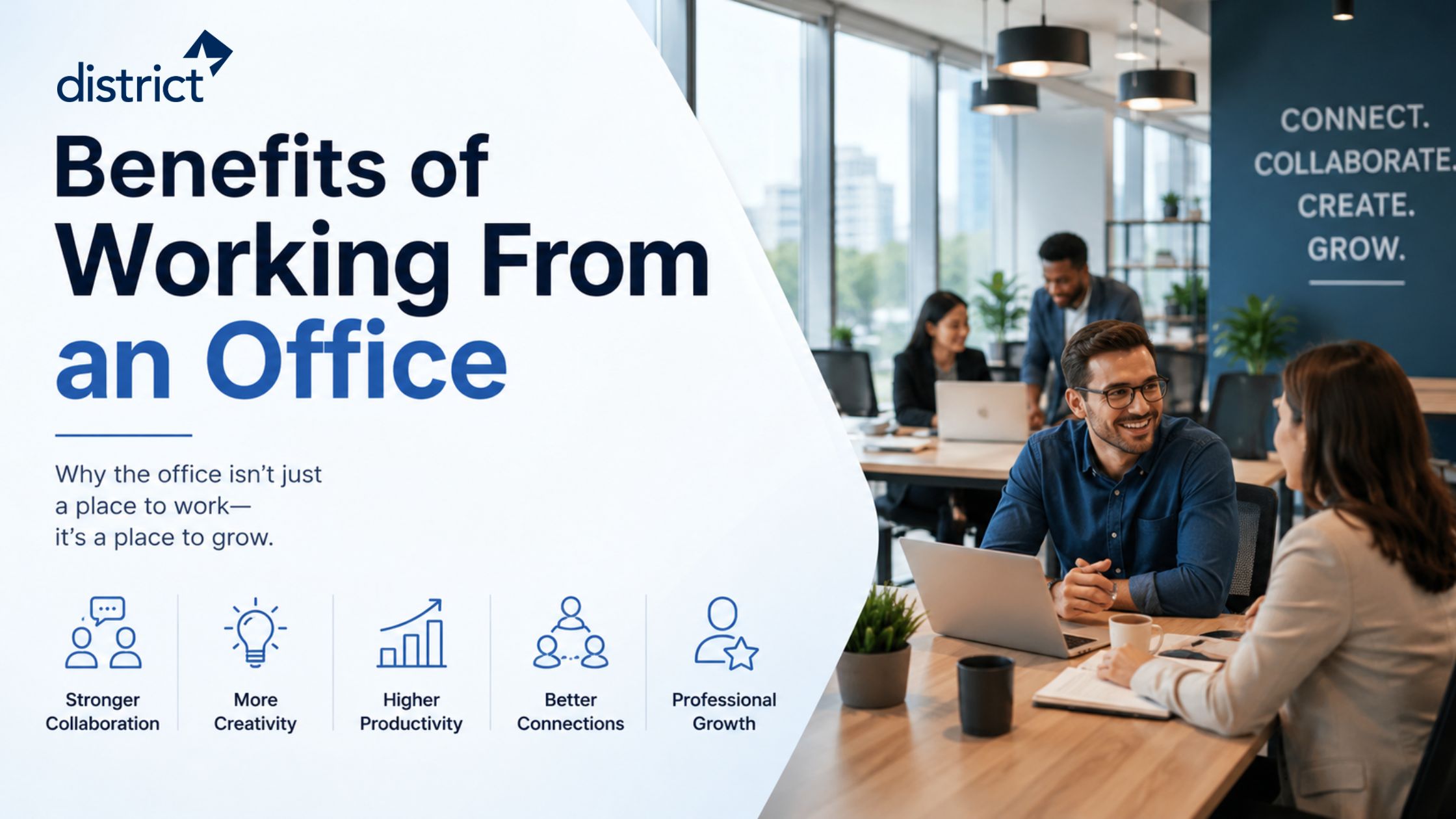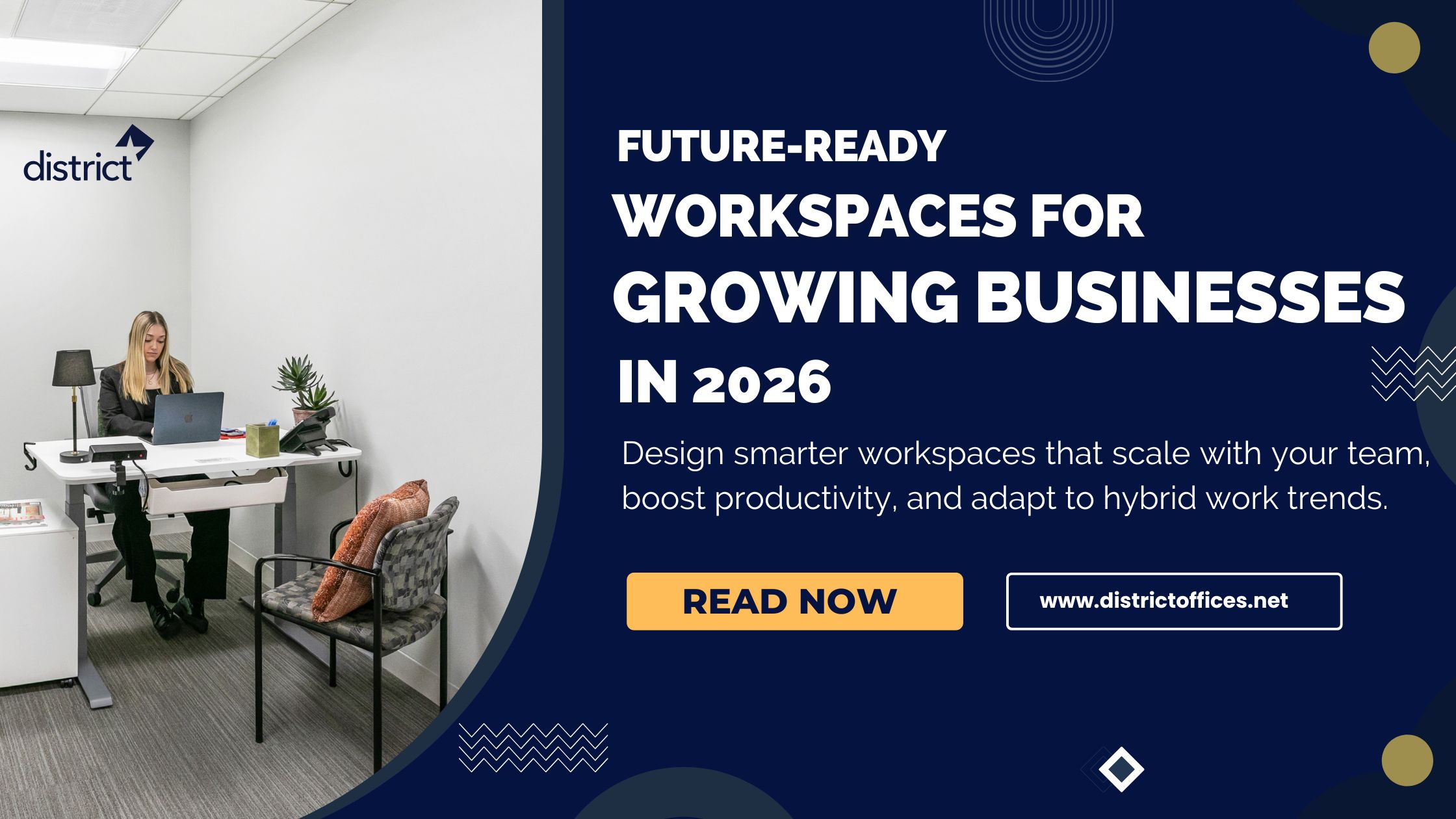


What is a Hybrid Workspace and Why It’s the Future of Business Growth
In recent years, workplaces have undergone a dramatic shift. The rigid 9-to-5 office routine has evolved into a more flexible, hybrid model — blending remote work with in-person collaboration. This transformation is more than a response to changing employee expectations; it’s a strategic move that fuels productivity, innovation, and business growth.
In this article, we explain what hybrid workspaces are, how they work, and why they represent the future of sustainable business success.
What is a Hybrid Workspace?
A hybrid workspace is a flexible work arrangement that combines remote and on-site work. Employees split their time between home and the office — often in a structured schedule such as 2–3 days in the office and the rest at home.
Hybrid workspaces are designed to support both environments seamlessly, giving employees freedom while maintaining team collaboration.
Read Also: What is Hybrid Work – A Comprehensive Overview
Key Features of a Hybrid Workspace
Flexible Scheduling: Employees can work where they’re most productive — with a mix of home and office days, sometimes even choosing their own schedule.
Technology-Enabled Collaboration: Tools like Zoom, Teams, Slack, and cloud-based systems ensure remote workers and in-office staff can collaborate effectively.
Redesigned Office Spaces: Offices shift from rows of fixed desks to shared, flexible layouts — hot-desking, modular furniture, collaboration zones, and private booths.
On-Demand Resources: Co-working spaces, bookable meeting rooms, and smart scheduling tools make it easy to adapt to changing team needs.
A hybrid workspace is more than a place — it’s an ecosystem designed to support employees wherever they are.
Why Hybrid Workspaces Are the Future of Business Growth
Businesses embracing hybrid workspaces are not just reacting to employee demands — they’re making a strategic investment in growth, innovation, and long-term resilience. Research by Gallup and PwC shows that hybrid organizations report higher employee satisfaction, better financial performance, and greater operational flexibility compared to traditional models. Below are five compelling reasons why hybrid workspaces are shaping the future of business success:

1. Attracting and Retaining Top Talent
Today’s workforce prioritizes flexibility and autonomy like never before. Surveys by LinkedIn and Microsoft found that more than 70% of employees consider flexible working a top factor when choosing an employer, and many would even accept lower pay for the benefit. Hybrid models appeal especially to Millennials and Gen Z professionals, who now make up the majority of the workforce and place a premium on work-life balance and personal well-being.
In addition, hybrid flexibility reduces employee burnout and improves job satisfaction, leading to higher retention rates. Fewer resignations and lower turnover preserve institutional knowledge and save costs associated with recruiting and training replacements — which, according to SHRM, can equal up to 50–60% of an employee’s annual salary per departure.
2. Boosting Productivity and Engagement
While early critics feared remote work would harm productivity, the opposite has been proven true. A 2023 Stanford University study of 16,000 workers showed a 13% productivity increase among remote and hybrid employees, thanks to fewer distractions, reduced commute stress, and more autonomy over schedules.
Hybrid work also fosters greater employee engagement because it gives workers a sense of trust and respect from their employer. This results in stronger motivation, higher-quality output, and a deeper commitment to company goals. A motivated, engaged workforce is directly tied to business success — Gallup’s analysis found that highly engaged teams deliver 23% higher profitability than disengaged teams.
3. Driving Innovation and Creativity
Hybrid setups combine the benefits of quiet, focused individual work from home with vibrant, collaborative sessions in the office. This balance supports creative thinking and problem-solving by allowing employees time to reflect and develop ideas, then bring them to life through teamwork.
In-person meetings and brainstorming foster spontaneous collaboration and camaraderie, while digital tools keep ideas flowing even when teams are apart. Research by Harvard Business Review highlights that hybrid teams can be 50% more innovative when companies invest in tools and practices that enhance cross-functional collaboration. This ability to generate and implement new ideas quickly gives businesses a crucial edge in competitive markets.
4. Reducing Costs and Increasing Agility
Real estate and facilities are among the largest expenses for many companies. Hybrid models allow businesses to optimize office space, often reducing the square footage they need by 30–50%, as estimated by CBRE. This leads to substantial savings on rent, utilities, and maintenance.
Some companies supplement smaller permanent offices with on-demand coworking spaces, enabling them to expand or contract their physical presence as needed without being locked into long-term leases. These savings can then be reinvested into core growth initiatives like R&D, marketing, or expanding into new markets.
Hybrid models also improve organizational agility. Companies can respond faster to changes in market demand, employee preferences, or global crises because their workforce is already equipped to operate seamlessly across locations.
5. Accessing Global and Diverse Talent
One of the most transformative benefits of hybrid work is its ability to remove geographic limitations. Companies can recruit top talent regardless of location, tapping into a global pool of skills and perspectives that were previously inaccessible.
This not only helps fill critical skill gaps but also increases diversity — which research from McKinsey has shown to correlate strongly with better financial performance and higher innovation. Global hybrid teams bring unique cultural insights and ideas, helping businesses create products and services that resonate with wider audiences.
Moreover, offering remote or hybrid roles can make companies more attractive to those with caregiving responsibilities, people with disabilities, or others who might not be able to participate fully in a traditional office model — broadening the talent base and enhancing inclusivity.
Preparing for the Hybrid Future
The hybrid workplace is no longer just a reaction to the pandemic — it’s emerging as the standard way of working. Experts predict that by 2025, more than 55% of U.S. workers who can work remotely will adopt a hybrid model, according to a Gallup report. Globally, this figure is expected to be even higher in knowledge-based industries. Companies are investing heavily in technologies and workplace designs that enable this shift, making hybrid work a strategic pillar of long-term business growth.
Smarter Offices
Tomorrow’s offices are being designed to complement hybrid work rather than compete with it. Businesses are deploying AI-driven scheduling tools to optimize office usage, eliminate wasted space, and make it easier for teams to coordinate in-person collaboration. Advanced VR and AR-enabled meeting rooms allow remote and in-office workers to interact more naturally, simulating face-to-face interactions even from thousands of miles away. Responsive workspaces equipped with sensors can adjust lighting, temperature, and room configurations in real-time, enhancing comfort and productivity for whoever uses the space on any given day.
Customizable and Flexible Spaces
The traditional office setup with fixed desks and cubicles is quickly becoming obsolete. Instead, companies are embracing modular, flexible environments that adapt to the day-to-day needs of hybrid teams. This includes coworking hubs for cross-team collaboration, quiet focus pods for individual deep work, and open creative zones for brainstorming and innovation. According to JLL research, 67% of corporate real estate leaders plan to include more shared and flexible spaces in their portfolios by 2025. This enables businesses to scale their footprint up or down based on workforce patterns, avoiding unnecessary overhead costs.
Preserving Culture and Fostering Connection
One of the biggest challenges of hybrid work is maintaining a cohesive company culture when employees are distributed. Leading organizations are proactively addressing this by creating intentional moments of connection — both virtual and in-person — to strengthen relationships and reinforce shared values. Investment in employee engagement programs, mental health initiatives, and collaborative technologies ensures that hybrid teams remain aligned and motivated, even when they aren’t physically together every day. McKinsey reports that organizations with strong hybrid cultures see 20–25% higher employee satisfaction compared to peers.
By embracing these trends and building workplaces that support flexibility, connection, and innovation, businesses are setting themselves apart as forward-thinking leaders. Those who adapt early to the hybrid future will be better positioned to attract top talent, remain competitive in global markets, and sustain long-term growth in a rapidly changing economy.
How District Offices Enables Hybrid Success
Transitioning to a hybrid workplace can be challenging — balancing remote flexibility with the need for in-person collaboration requires the right environment, tools, and support. District Offices helps businesses seamlessly adopt and thrive in hybrid models by providing flexible, professional workspaces designed for the modern workforce.
Flexible Workspace Options
District Offices offers a variety of workspace configurations to suit any team size or workflow. From private offices for focused work, to shared desks for individual team members, to state-of-the-art meeting rooms for client presentations and group brainstorming, businesses can scale their footprint up or down as needed. This flexibility ensures you never pay for more space than you use — a perfect match for the unpredictable rhythms of hybrid schedules.
Ready-to-Use Technology
One of the biggest pain points in hybrid work is ensuring technology works seamlessly across locations. District Offices eliminates this challenge by providing fully equipped workspaces with high-speed internet, secure networks, enterprise-grade video conferencing tools, and private call booths — all ready to use from day one. Teams can walk in and immediately connect, collaborate, and be productive without wasting time on technical setups.
Strategic, Accessible Locations
Hybrid success depends on making in-person collaboration convenient. District Offices are located in key business districts and central hubs, close to public transportation, parking, and essential amenities. This makes it easy for team members and clients to meet when needed, fostering meaningful connections without long commutes.
A Supportive, Professional Environment
Maintaining company culture and professionalism in a hybrid setup is critical. District Offices provides modern, well-designed spaces with premium amenities, on-site support staff, and concierge-style services to keep your team comfortable, focused, and energized. Whether it’s welcoming guests, managing mail, or handling administrative tasks, their team ensures that you can focus on running your business.
By taking care of the logistics — from space and technology to atmosphere and service — District Offices enables businesses to embrace hybrid work without the stress of managing it all themselves. The result is a workplace that supports growth, innovation, and employee satisfaction — no matter where or how your team works.
Conclusion
Hybrid workspaces are here to stay — and they’re redefining how businesses grow. Flexible work arrangements empower employees, foster innovation, lower costs, and help companies attract top talent. Businesses that embrace hybrid models today will be better equipped to meet tomorrow’s challenges and opportunities.
Frequently Asked Questions
Hybrid work improves employee engagement, reduces costs, broadens hiring pools, and fosters innovation — all of which drive growth.
Leaders at Amazon, Microsoft, and Apple agree: hybrid work is essential to productivity, employee satisfaction, and collaboration.
The “5 Cs” — Communication, Coordination, Connection, Creativity, and Culture — are key areas businesses must address to succeed with hybrid models.
Hybrid workspaces help businesses attract and retain talent, lower real estate costs, boost employee engagement, enhance innovation, and improve agility to adapt to market changes.
Hybrid work supports long-term growth by aligning with employee preferences, enabling global hiring, fostering inclusivity, reducing costs, and increasing competitiveness through innovation and flexibility.
They offer flexibility, reduce commuting stress, and allow for better work-life balance — helping prevent burnout and increasing job satisfaction.
Yes, hybrid work benefits businesses of all sizes by providing scalable workspace options, cost savings, and access to broader talent pools without the need for large, fixed offices.
By defining clear policies, investing in collaborative technology, redesigning office spaces for flexibility, and fostering open communication with employees.
Common challenges include maintaining communication, preserving company culture, managing accountability, and ensuring seamless technology. These can be addressed with proper planning and tools.