

You open your laptop at a café, hoping the change of scenery will spark focus. Instead, the table wobbles, the music is too loud, and someone at the next table is having a conference call at full volume. You move to your home desk the next day, but the laundry, dishes, and doorbell tag-team you until half the morning disappears. If you’re a freelancer, you know this cycle well.
Many freelancers struggle with productivity in cafés and homes, not because they lack discipline, but because these environments are built for comfort and socializing, not sustained, meaningful work. Your work as a freelancer depends on deep focus, reliable tools, and a sense of professional space. When your environment doesn’t support those needs, your productivity takes the hit.
The solution for freelancers struggling with productive environments is a coworking space. Coworking spaces are designed to provide both independence and structure. In this guide, we’ll analyze why casual environments drain freelancers’ productive hours—and show how coworking directly restores clarity, focus, and consistency to the workday.
Table of Contents
ToggleWhy Productivity Matters So Much for Freelancers
Freelancers don’t get paid for time. They get paid for output, clarity, and follow-through. You can bill more hours, win more clients, and manage more work only when your environment supports consistent performance.
Productivity isn’t simply about time management. It’s about energy management. It’s about attention. It’s about the ability to sit down, eliminate friction, and produce work that meets your standards. When your environment is scattered, your output follows the same pattern.
Studies indicate freelancers may lose up to one-third of their working hours to distractions in unstructured environments. Over a month, this is roughly a week of lost work. Over a year, that amounts to thousands of dollars in lost revenue.
A productive environment also affects:
- Your reputation
- Client satisfaction
- Your availability for new projects
- Your mental health
- Your ability to scale
Productivity is the engine that keeps your business running, and it’s closely tied to the space where you work.
Why Freelancers Struggle with Productivity in Cafés
Cafés feel productive on the surface. The buzz of activity, the smell of coffee, and the casual energy can feel inspiring. But cafés are designed for short visits and social connections, not for building a business.
1. Noise That Disrupts Focus
Cafés are full of unpredictable noise. You might enjoy the hum of background chatter, but your brain has to process every shift in the soundscape. A grinder screaming one second, a child crying the next, and a group brainstorming beside you all adds up to cognitive overload.
When the noise isn’t steady or predictable, your focus suffers. Each interruption forces your mind to switch gears, and studies show it can take up to half a minute to refocus after even a tiny distraction.
2. Seating Designed for Sipping, Not Working
Café chairs are rarely ergonomic. They’re built to serve many customers and encourage turnover. Working on a laptop for hours in a non-supportive seat leads to tension, fatigue, and shorter work sessions. What starts as a “quick work sprint” becomes an uncomfortable grind.
3. Limited Power Outlets and Poor Desk Setup
Not every café has enough outlets. You might find yourself circling the room, hunting for a plug, or rearranging your schedule around your laptop battery. Even when you find a spot, the table height, lighting, and elbow room aren’t built for serious work.
4. Unreliable Wi-Fi
Café Wi-Fi is shared by dozens of people and isn’t optimized for video calls, cloud storage, or large uploads. If your work includes Zoom meetings, digital design, or transferring files, this becomes a repeated pain point.
5. Zero Privacy for Professional Work
You can’t comfortably take a client call without background noise. You can’t open confidential documents without feeling exposed. Even writing proposals feels awkward when someone is seated so close they can see your screen.
Privacy isn’t a luxury in freelancing. It’s part of doing business.
6. You’re a Customer First, Not a Worker
No matter how friendly the café staff is, the café exists to serve customers, not remote workers. There’s pressure to keep buying food or drinks. There’s limited space. There’s no guarantee you can stay for hours.
Cafés are pleasant environments, but they’re not built to support a freelancer’s productivity needs.
Why Freelancers Struggle with Productivity at Home
Home can feel like the dream workspace. It’s convenient, private, and comfortable. But comfort often comes at the cost of structure. When everything happens in the same environment—resting, eating, relaxing, scrolling, working—your brain struggles to shift into “professional mode.”
1. Constant Micro-Distractions
Homes create distractions that feel small but happen often: a quick chore, a snack, a noise outside, a message, a pet, a neighbor, a delivery. They’re harmless on their own, but together they fragment your attention.
Mental fragmentation is one of the biggest hidden drains on freelancers.
2. No Clear Separation Between Work and Personal Life
When your bed, table, and desk are a few steps apart, your mind doesn’t fully distinguish work from downtime. This leads to blurry boundaries:
- You work overtime without planning to.
- You start late because the morning slides away.
- You feel mentally “on-call” all day.
Boundaries aren’t about discipline; they’re about environment.
3. Isolation and Lack of Social Energy
Humans need social cues to feel grounded and motivated. Working alone for long periods can decrease creativity and increase stress. Studies show solo remote workers report higher levels of fatigue and emotional burnout.
4. A Home Setup Isn’t Built for Long Work Sessions
Most freelancers work from kitchen tables, couches, or compact desks. These setups aren’t ergonomically balanced, which affects posture, energy, and stamina.
5. Difficulty Creating Routine
Homes come with plenty of freedom but almost no built-in structure. Without clear cues that “work begins now,” routines become inconsistent. And productivity without routine is hard to sustain.
Home is a comfortable space, but comfort doesn’t automatically translate to productivity.
The Psychological Cost of Working in the Wrong Environment
We often underestimate how much our environment shapes our behavior. When you’re in a space that doesn’t support focus, your mind has to work harder to stay on track. This adds a subtle but consistent strain.
A poor work environment contributes to:
- Mental fatigue
- Decision overload
- Lower motivation
- Higher stress
- Emotional burnout
Working in a space that isn’t aligned with your goals creates friction. Over time, friction becomes exhaustion. Coworking solves this by creating an environment that supports the mental habits freelancers need to thrive.
How Coworking Solves These Productivity Problems
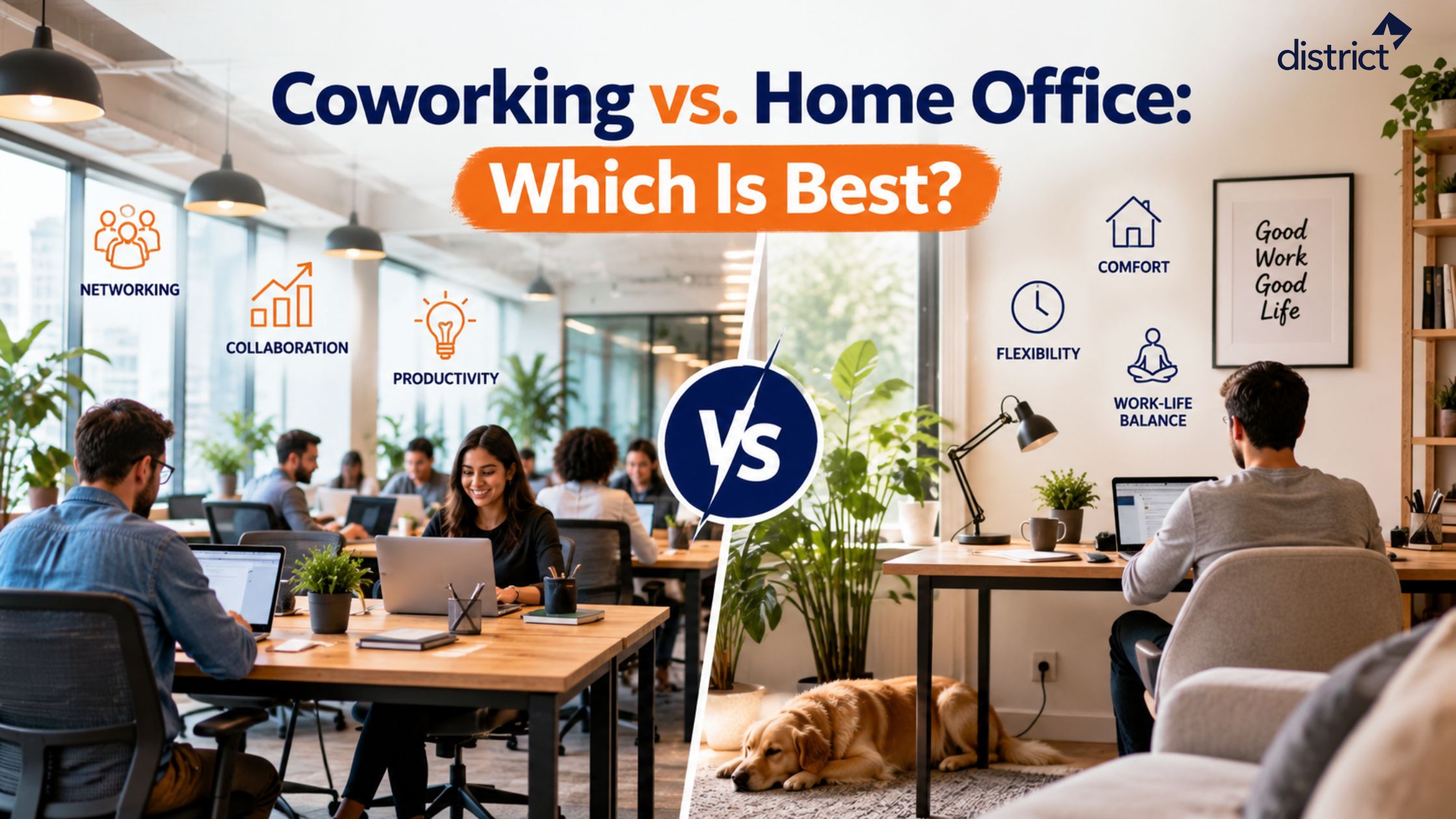
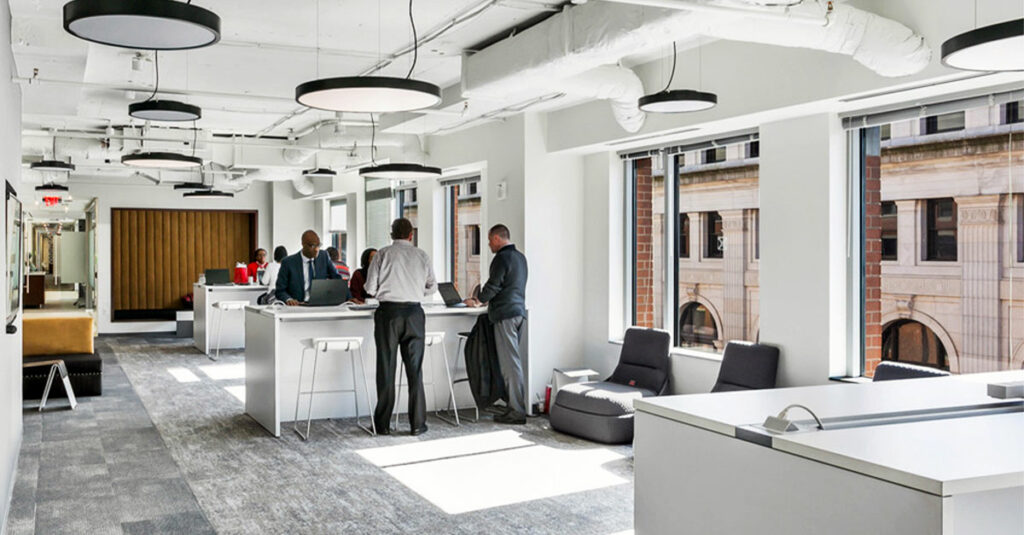
Coworking isn’t just shared desks. It’s a work environment designed to remove the friction freelancers face in cafés and homes. It gives you structure without rigidity, community without pressure, and privacy without isolation.
Let’s break down how coworking solves the problems we’ve discussed.
1. You Enter a Space Built for Focus
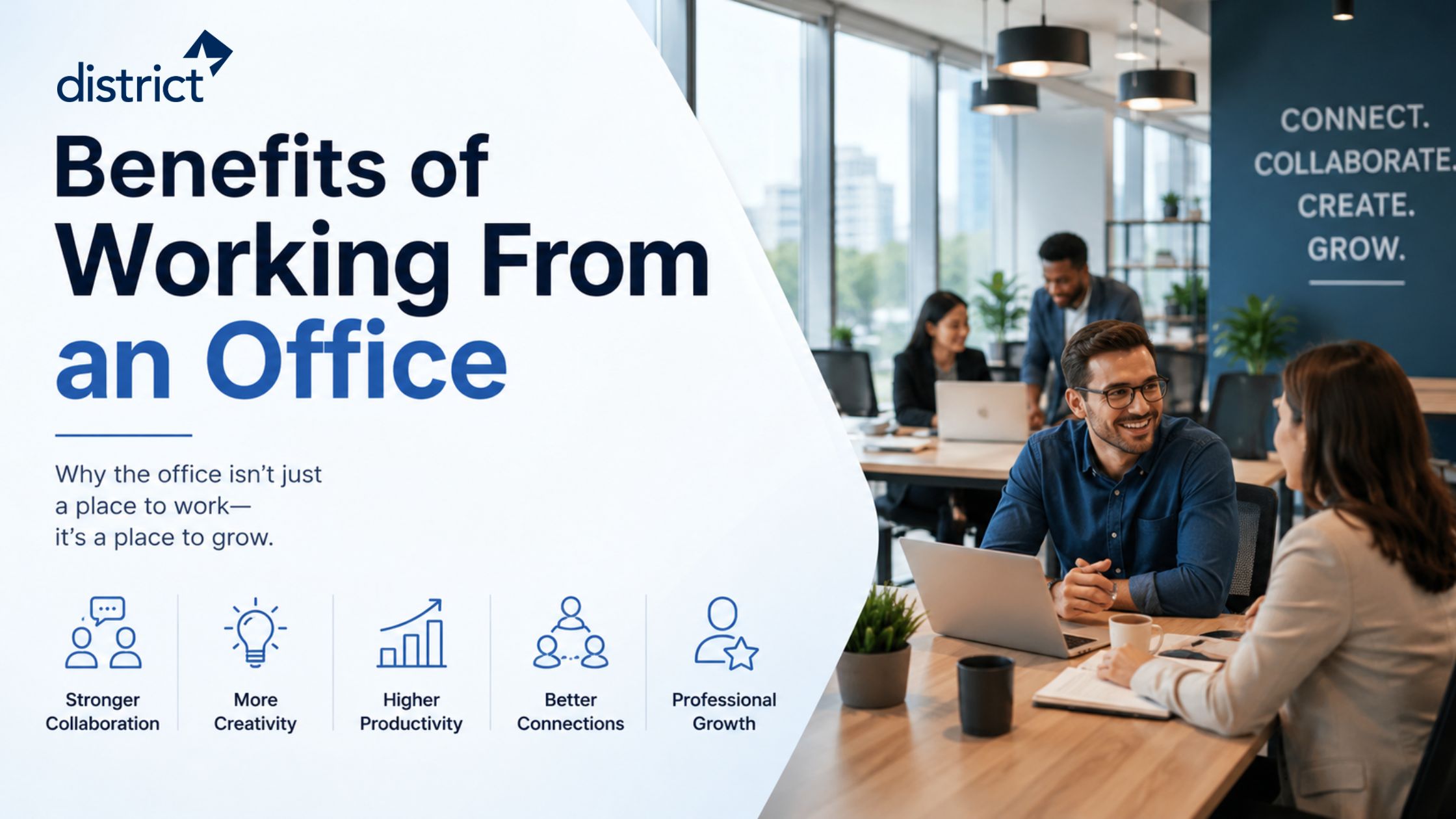
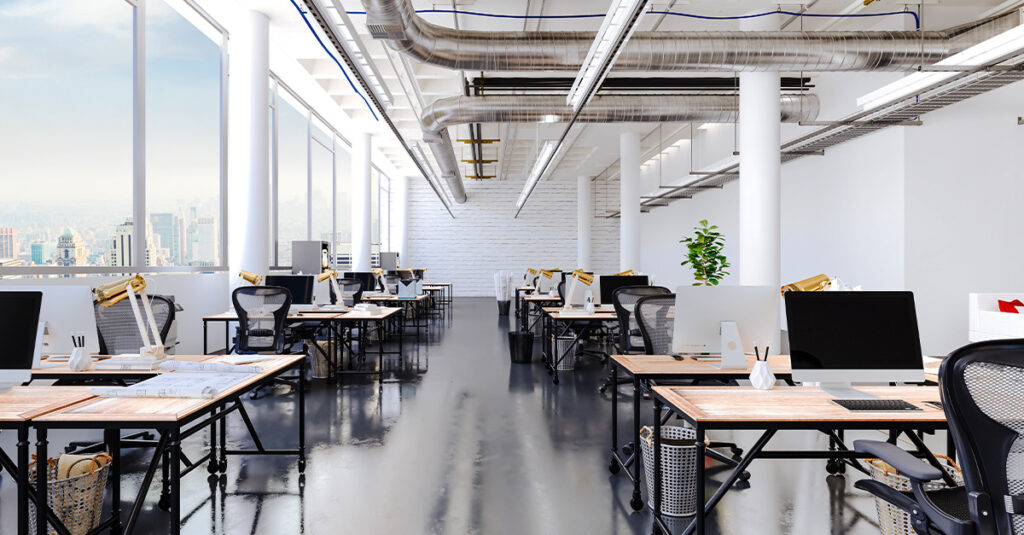
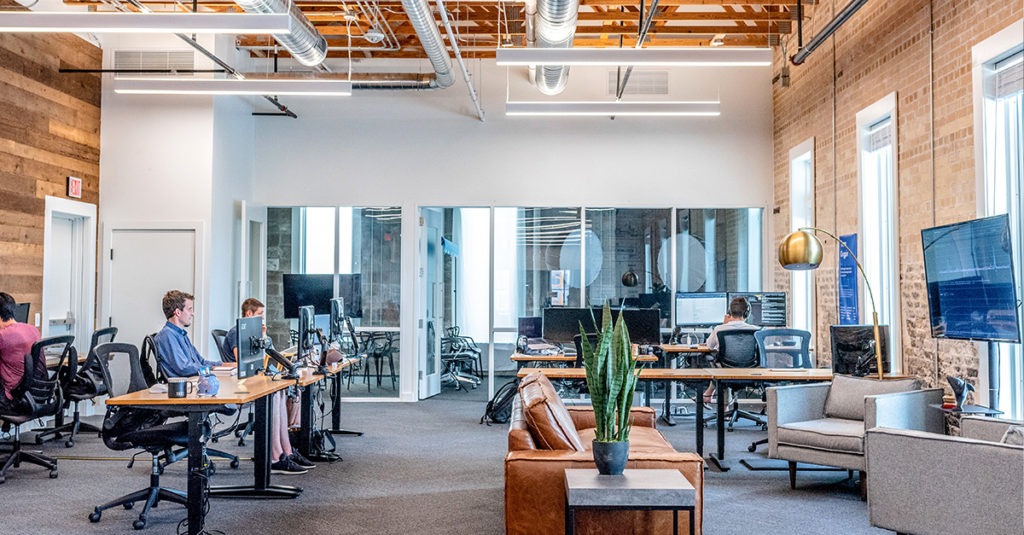
When you walk into a coworking space, your brain shifts into work mode. The physical environment sends a clear message: this is where productivity happens. The layout, lighting, furniture, and energy are designed for professionals, not passersby.
2. Noise Zones Keep Your Focus Intact
Unlike cafés, where every sound is unpredictable, coworking spaces offer a mix of areas:
- Quiet zones for deep work
- Common areas for collaboration
- Phone booths for calls
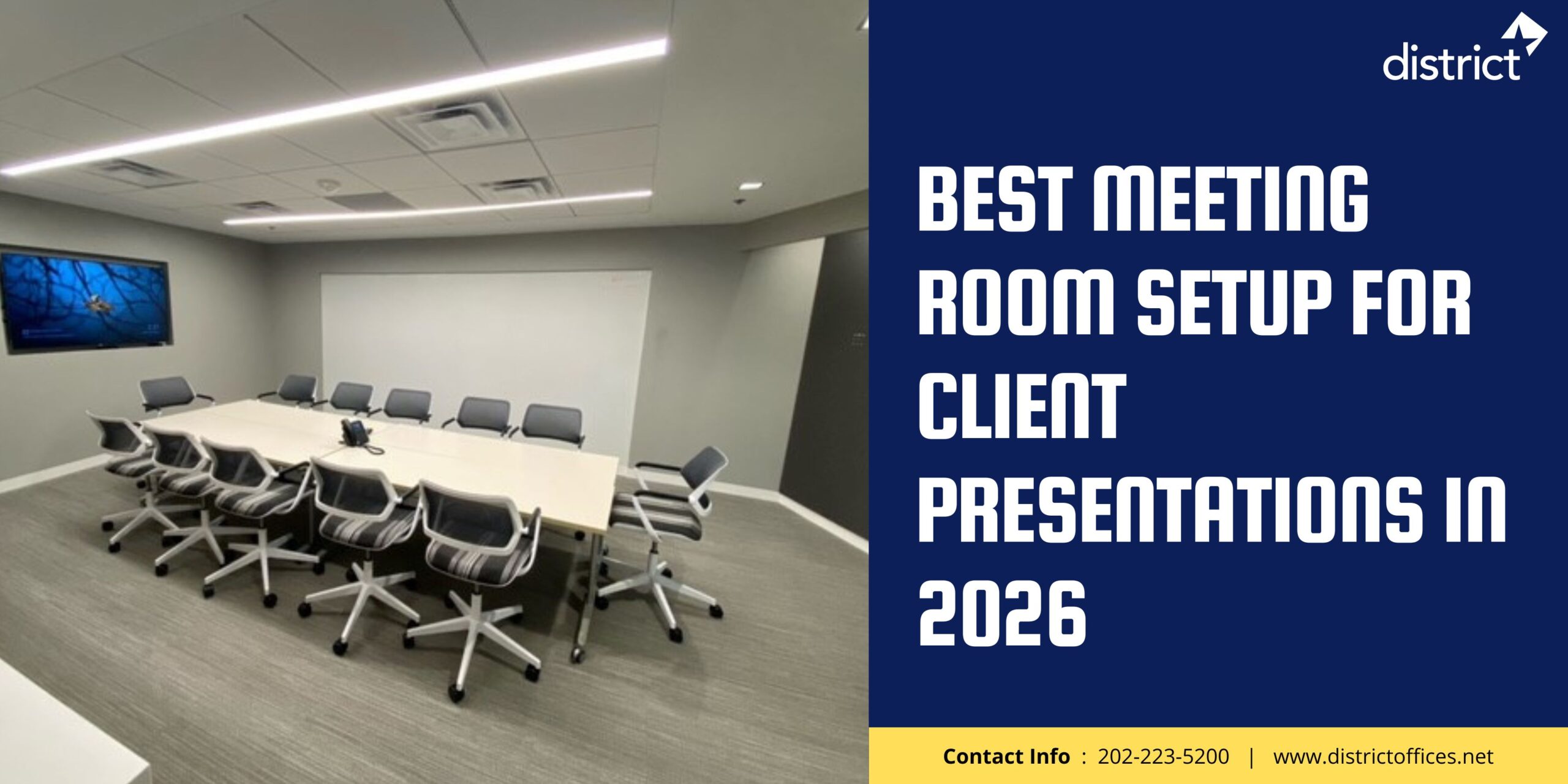
- Meeting rooms for presentations
You choose the zone that supports the task you’re doing.
3. Business-Grade Internet You Can Trust
Reliable, high-speed Wi-Fi removes the frustration of buffering and dropped calls. This is essential when meeting clients or transferring your work online.
4. Ergonomic Seating for Long Sessions
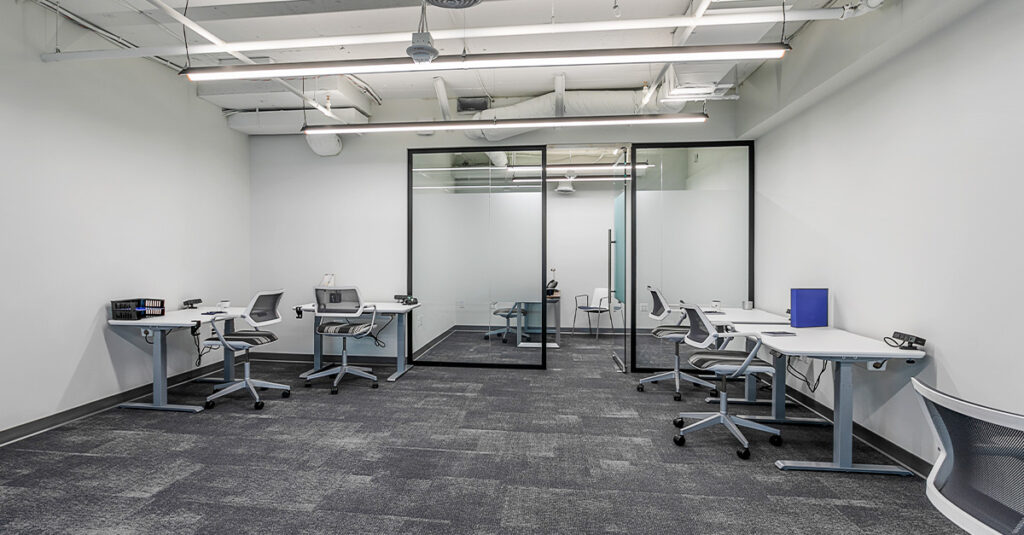
Coworking spaces use professional furniture—adjustable chairs, proper desk heights, and thoughtful layout. This improves posture, concentration, and stamina.
5 Privacy Options for Sensitive Work
When you handle client contracts or confidential materials, you can work without worrying about prying eyes. Private rooms and booths support your professional standards.
6. Built-In Routine That Supports Your Day
When you show up at a coworking space, you naturally build a routine. You start at the same time. You take breaks more mindfully. You finish your day with a sense of closure.
Routine isn’t forced—it develops naturally.
7. Community Without Pressure
You can interact when you want to, but you’re not obligated to socialize. Light human presence boosts motivation, while events and networking opportunities expand your circle without effort.
Coworking gives you the balance freelancers crave.
The Features Freelancers Should Look for in a Coworking Space
To get the full benefit of coworking, the space must fit your needs. When evaluating coworking spaces, look for features that support long-term productivity and flexibility.
Here’s what matters most:
- Fast, stable internet: Must support video calls and cloud workflows.
- Quiet focus areas: Dedicated sections where deep work can happen without distractions.
- Private meeting rooms: Essential for client calls and presentations.
- Ergonomic seating: Helps you maintain energy and comfort.
- Flexible plans: You should only pay for what you use.
- Security: Safe access to the building and secure Wi-Fi.
- Community opportunities: Events, workshops, and networking options.
- Convenient location: A workspace you can reach easily and consistently.
Coworking is not a one-size-fits-all solution. Pick a space that supports the way you work.
Industry Data on Coworking and Productivity
Coworking has grown because it works. Independent studies show clear increases in performance, motivation, and well-being.
According to global coworking reports:
- 74% of coworkers are more productive
- 70% report improved focus
- 86% feel a healthier work-life balance
- 67% say coworking has improved their professional success
The numbers tell a clear story: the right environment makes a measurable difference.
How Freelancers Can Transition Into Coworking Smoothly
If you’ve worked from cafés and homes for years, shifting to coworking might feel like a big step. But the transition can be simple with the right approach.
Start small, ease into a routine, and let the environment support you. A good transition plan includes:
- Begin with a day pass: Experience the energy and environment firsthand.
- Pick a plan that fits your workflow: Hot desks for flexibility, dedicated desks for routine, private offices for confidentiality.
- Set a light routine: Choose 2–3 days a week to start.
- Organize your tasks: Work on your most demanding tasks at the coworking space.
- Engage with the community: Say hello, join an event, or chat with the staff. Social energy boosts motivation.
Before long, you’ll notice how much easier it is to focus, finish work, and feel confident running your business.
Common Myths About Coworking (And the Truth)
Coworking has grown quickly, which has led to many misconceptions persisting. Let’s clear them up.
Myth: Coworking is just as noisy as cafés.
Truth: Coworking spaces are designed for professionals with dedicated quiet areas.
Myth: It’s too expensive.
Truth: Many freelancers save money because they work faster, earn more, and reduce stress.
Myth: It’s meant for teams only.
Truth: Most coworking spaces have a high percentage of independent workers.
Myth: It’s distracting.
Truth: Coworking removes unpredictable noise and adds the structure freelancers lack.
Frequently Asked Questions
A: Use an environment that supports focus and structure. Set clear work hours, eliminate distractions, and break tasks into manageable steps. Coworking spaces help with all of this by giving you a professional setting that naturally encourages productivity.
A: Because these environments lack clear boundaries, reliable tools, ergonomic seating, and dedicated work zones. Freelancers need consistency and focus, and cafés or homes don’t offer that balance.
A: Yes. Coworking improves focus, routine, professional image, and work quality. Many freelancers regain hours of deep work that were previously lost to distractions.
A: Start with a flexible plan or a hot desk. If you prefer consistency or use multiple monitors, a dedicated desk may be a better option.
A: Absolutely. The structure, environment, and social energy in coworking spaces help reduce isolation and improve mental well-being.
District Offices: Your Coworking Partner in Washington, DC
If you’ve been juggling coffee shop distractions and home interruptions, there’s a better way to work. Coworking gives freelancers the dedicated, inspiring environment they need to do deep, meaningful work. Instead of fighting distractions all day, you can focus on creativity, clarity, and building your business.
Looking for a coworking space in Washington, DC? Choose District Offices; it offers flexible plans, beautifully designed workspaces, quiet focus areas, private offices, fast internet, and a professional atmosphere that helps freelancers work smarter. It’s one of the best places to reclaim your productivity and upgrade the way you work.
Book a tour, try a day pass, or explore membership options today. Your most productive days start at the District Offices.