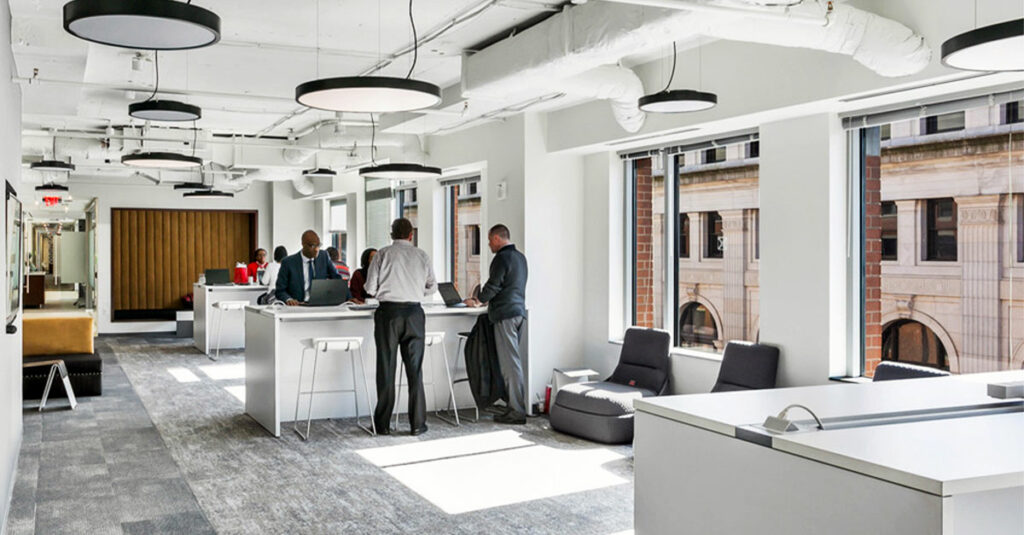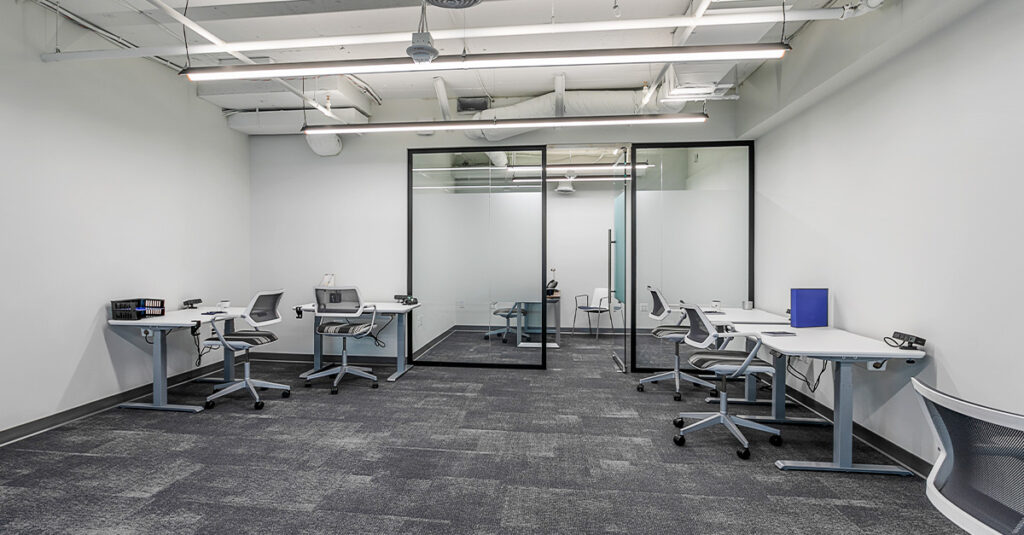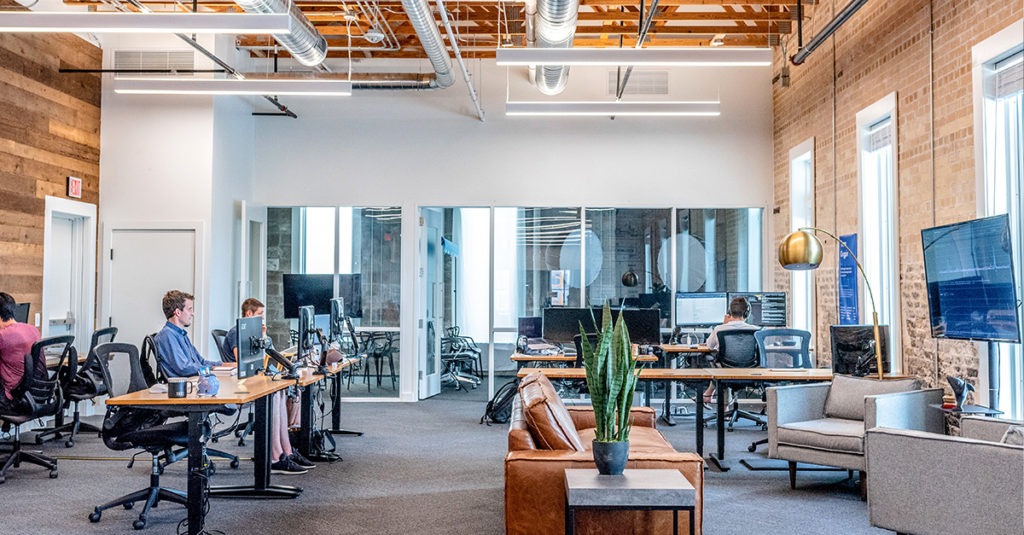


Many professionals expect coworking to boost productivity, but common issues—like slow Wi-Fi, constant noise, overcrowded desks, and unavailable meeting rooms — immediately create friction. The industry’s rapid growth from 14,000 spaces in 2017 to over 40,000 in 2024 hasn’t preserved quality, and that silent gap drains time, energy, and credibility.
The real cost of a bad coworking space isn’t the membership fee. It’s the lost focus, the missed opportunities, and the daily frustration that slow your momentum.
Noise, weak tech, limited seating, and poor management are common coworking issues that can set you back more than you realize.
This guide breaks down the 10 most common coworking problems and shows how the right workspace solves them, so you can make a confident, informed choice.
What are the 10 most common coworking problems?
If your coworking space feels like it works against you, you’re not alone. The same problems recur in underperforming spaces. They can directly impact focus, workflow, and the client experience. Watch for these 10 common issues.
1. The Noise Nightmare: When “Collaborative” Turns “Chaotic.”
The Problem:

Noise is the number one complaint in coworking spaces. Studies show it can reduce productivity by up to 66% and spike stress levels, affecting well-being and attendance.
In shared environments, noise comes from many directions: loud calls, Zoom meetings close together, social chatter, and kitchen activity across open floors. These distractions make it hard to settle into deep work or maintain concentration.
Common sources of noise include:
- Loud personal or sales calls that carry across the room
- Back-to-back virtual meetings are happening in open areas.
- Social interactions that spill into work zones
Coworking spaces often prioritize aesthetics over acoustics—so even attractive rooms won’t help if focused work is impossible.
How the Right Workspace Solves It
High-quality coworking environments use a mix of design, zoning, and culture to reduce noise. Acoustic paneling, quiet zones, and soundproof booths all play a part, but the overall structure matters most.
A well-designed workspace typically offers:
- Quiet, heads-down zones with minimal movement
- Soundproof phone booths for calls and virtual meetings
- Private offices for uninterrupted focus
With the right structure, noise stops being a daily battle and becomes something you barely notice.
Also Read: Minimize Commercial Build-Out Costs by Choosing Coworking Spaces
2. The Reliability Crisis: Wi-Fi and Tech That Fail You at the Worst Time
The Problem
Reliable internet isn’t a perk—it’s the foundation of modern work. Still, many coworking spaces struggle with slow speeds, inconsistent performance, and outdated equipment. Nearly half of coworking users report recurring internet issues, and more than a quarter cancel their memberships due to poor infrastructure.
Common tech pain points include:
- Unstable or slow Wi-Fi during peak hours
- Limited outlets and charging areas
- No backup network when outages occur.
Technical failures cause embarrassing interruptions, missed deadlines, and a slower workflow during critical tasks.
How the Right Workspace Solves It
Premium workspaces invest heavily in technology to ensure stability and performance. Enterprise-grade fiber connections form the backbone of the network, supported by redundant systems that automatically activate when needed. Strong Wi-Fi coverage extends across all seating areas, and equipment is upgraded regularly to avoid bottlenecks.
You’ll often find:
- Guaranteed bandwidth for each member
- Mesh Wi-Fi that eliminates weak spots
- Quick access to IT support when problems arise
When tech simply works, your workflow becomes smoother and more effortless.
3. The Availability Trap: Nowhere to Sit, Nowhere to Meet
The Problem
Hot desking sounds flexible until you walk into a coworking space and discover that every seat is taken. Deskmag found that roughly one-third of coworking members feel dissatisfied with desk or meeting room availability, especially during rush hours.
These availability issues typically include:
- Desks are becoming unavailable early in the day.
- Meeting rooms fully booked before lunch
- Too few quiet or private spaces for focused work.
Unreliable seating or meeting space availability adds daily stress and disrupts your workflow.
How the Right Workspace Solves It
High-performing coworking providers actively manage capacity and design layouts that support different work styles. Real-time occupancy systems help members see what’s available, and clear booking tools remove the guesswork. Membership caps also ensure that resources never get stretched too thin.
Quality workspaces usually offer:
- A mix of lounges, private nooks, pods, and worktables
- Reserved desk options for members who want consistency
- Extended access hours to ease congestion
When you know you’ll always have a seat—and a meeting room when you need it—your day becomes far more predictable.
4. The Privacy Paradox: Sensitive Work in Public Spaces
The Problem
Open layouts may look modern, but they often create privacy concerns. Many professionals in shared spaces worry about sensitive information being seen or overheard. This becomes especially problematic for teams in law, finance, consulting, health services, government contracting, and any role that handles proprietary information.
Frequent privacy issues include:
- Visible screens
- Leaking conversations
- Insecure public Wi-Fi
These risks can threaten client trust and expose sensitive material.
How the Right Workspace Solves It
Premium coworking spaces build privacy into their layout and their policies. Private lockable offices offer secure work areas for individuals and teams, while phone booths and meeting rooms provide enclosed, sound-controlled environments for sensitive discussions.
Better-designed spaces often include:
- Controlled entry with keycards or mobile access
- Visitor check-in systems
- Enterprise-grade networks designed for confidentiality
When privacy is built into the space, you can focus on work instead of worrying about who’s listening.
5. The Community Disconnect: Feeling Alone in a Room Full of People
The Problem
Coworking spaces often market themselves as hubs of collaboration and creativity, but the reality doesn’t always live up to the promise. Many professionals walk into a shared workspace expecting connection and end up feeling isolated. This usually happens when the environment lacks intentional community-building, or when members naturally form cliques that new people struggle to join.
Without guidance or structure, the “community” becomes passive. Events seem either nonexistent or poorly attended, and members drift in and out without forming strong relationships. Harvard Business School research shows that people who feel connected to their peers experience significantly higher engagement and job fulfillment — yet only a small portion of coworking members ever feel truly like part of the group.
The disconnect tends to show up through:
- Minimal community events or poor event participation
- No onboarding process to introduce new members
- Cliques formed among long-term members
- No community manager to foster interactions
A space that promises community but doesn’t support it leaves people feeling like they’re working alone in a crowded room.
How the Right Workspace Solves It
High-quality coworking communities don’t form by accident — they’re built intentionally. The right workspace has someone dedicated to member success, someone who recognizes people by name, understands what they do, and proactively creates opportunities for connection.
A strong community strategy often includes:
- Dedicated community managers who introduce members to one another
- Workshops, mixers, and learning sessions that attract engagement
- Digital platforms like Slack groups or member directories
- Curated introductions for people who might benefit from connecting
When community is done well, it becomes one of the biggest advantages of coworking — not an empty marketing promise.
6. The Flexibility Illusion: Rigid Contracts with Surprise Costs
The Problem
Coworking contracts can mask inflexibility, despite marketing claims. Initial memberships may come with restrictive terms and hidden fees, unnecessarily driving up costs.
These frustrations often show up through:
- “Flexible” plans that quietly require 12-month commitments
- Extra charges for everyday essentials like mail handling or printing
- Steep upgrade costs for even minor space adjustments
- Limited options for part-time or short-term use
Instead of supporting your workflow, the fine print starts to box you in.
How the Right Workspace Solves It
A truly flexible coworking space builds elasticity into both its pricing and its membership structure. Instead of locking you into long contracts, it allows your membership to grow or shrink as needed.
The best operators offer:
- Month-to-month memberships
- Clear, all-inclusive pricing without surprise add-ons
- Simple upgrade paths that don’t penalize you
- Part-time, day-pass, and seasonal options
This kind of flexibility gives individuals and teams the freedom to adapt as business needs shift, without worrying about contract traps or unexpected expenses.
7. The Professional Image Problem: When Trendy Becomes Unprofessional
The Problem
Coworking spaces often lean into trendy design—neon signs, beanbags, bold colors, and playful decor meant to look good in photos. While this can feel fun, it doesn’t always translate into a professional setting where you can confidently host clients, investors, or executives. For many businesses, image matters, and a quirky environment can unintentionally send the wrong message.
Professionals often encounter:
- Décor that feels casual or mismatched with their brand
- Meeting rooms that aren’t suitable for formal presentations
- Inconsistent behavior in shared spaces
- No proper reception to welcome clients
When your environment doesn’t support your professional identity, it limits how confidently you can show up.
How the Right Workspace Solves It
A premium coworking space understands that design is more than decoration—it’s part of your brand story. The environment should reflect professionalism, stability, and attention to detail.
The best workspaces offer:
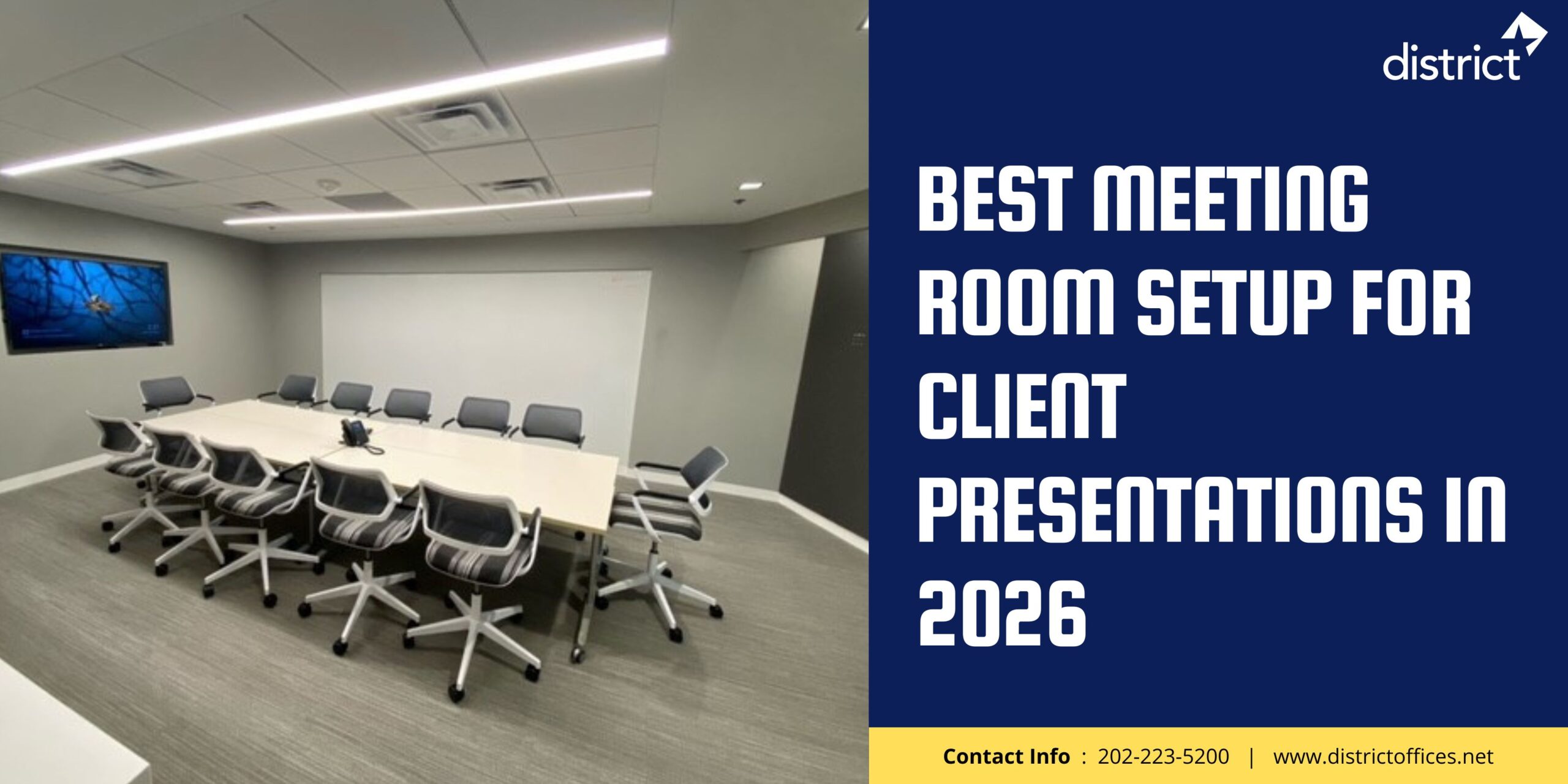
- Well-designed boardrooms and client-ready meeting rooms
- Professional front-desk staff to greet guests
- Prestigious business addresses that enhance brand perception
- Clean, structured interiors that work for photography and presentations
When the space aligns with your business standards, every meeting feels more polished, and every interaction feels more confident.
8. The Amenity Gap: Flashy Extras but Missing Essentials
The Problem
Some coworking spaces put their energy into eye-catching amenities — things that look impressive on a tour but don’t actually support your workday. You might see stylish lounges, colorful walls, or ping-pong tables, yet the basics you need to function smoothly are overlooked. Over time, this becomes frustrating because what professionals rely on daily isn’t glamour; it’s practicality.
Common missing essentials include:
- Limited or poorly maintained kitchen space
- Restrooms that don’t keep up with foot traffic
- Unreliable or outdated printers and scanners
- Lack of storage or lockers for personal items
These aren’t small inconveniences. They disrupt routines, create friction, and slowly chip away at the efficiency a coworking space should provide.
How the Right Workspace Solves It
The best coworking spaces prioritize functionality before aesthetics. They pay attention to how people work throughout the day and ensure the environment consistently supports those needs. Professional-grade kitchens, clean restrooms, and reliable office equipment become part of the operational standard, not an afterthought.
Quality operators typically offer:
- Well-stocked, well-maintained kitchen areas
- Restrooms cleaned multiple times a day
- Secure personal storage options
- Commercial-grade office equipment
- Consistent temperature control throughout the building
These essentials aren’t glamorous, but they make the difference between a workspace that looks good and one that actually helps you perform at your best.
9. The Service Vacuum: When You’re Paying for Space, Not Support
The Problem
Many coworking spaces operate with a “self-serve” mindset. The environment may look polished on the surface, but when something goes wrong or when members need help, support is nowhere to be found. This lack of service quickly becomes a daily frustration, especially when important tasks depend on timely assistance.
These problems typically include:
- No staff available to help during the day
- Slow or inconsistent issue resolution
- Packages getting lost or misplaced
- Limited hours that make workdays feel cramped
The result is a workspace where you’re renting a desk, not receiving a service—and that gap shows up in your productivity and stress levels.
How the Right Workspace Solves It
A premium coworking provider sees itself not as a landlord, but as a service partner. On-site teams are present, attentive, and trained to anticipate needs before they become problems. Whether it’s tech support, guest check-ins, room setup, or maintenance, help is always accessible. This reduces friction and allows you to focus on meaningful work.
High-quality workspaces typically offer:
- Full-time, on-site support staff
- Quick and reliable problem resolution
- Extended staffing hours for flexibility
- Dedicated concierge-style assistance
- Proactive maintenance and frequent check-ins
When service is part of the culture, the entire experience becomes smoother, more consistent, and far more professional.
10. The Growth Ceiling: When Your Workspace Can’t Scale with You
The Problem
Many companies outgrow their coworking space not because coworking stops working for them, but because the provider can’t support their evolving needs. What starts as a great fit for a two-person team becomes restrictive when you need a larger office, dedicated meeting space, or room for new hires. The limitations become even clearer when operators offer only small offices, have no multi-room suites, or impose large price jumps for minor expansions.
These scalability barriers often include:
- No availability for larger offices or team suites
- Limited customization options
- No access to multiple locations
- Steep upgrade costs that discourage growth
When a workspace can no longer support your trajectory, it becomes a constraint instead of an asset.
How the Right Workspace Solves It
A scalable coworking environment grows with you. It offers clear upgrade paths and enough flexibility to expand without disrupting your workflow. This means having access to a range of office sizes, customizable layouts, and multiple locations where your team can move seamlessly as it scales.
High-quality operators typically provide:
- Team offices and multi-room suites
- Enterprise-level solutions
- Customizable spaces for growing teams
- Access to a network of locations
- Contract flexibility when expanding
The right workspace doesn’t just house your team — it supports your long-term vision.
The Hidden Financial Cost of Choosing the Wrong Coworking Space
Most people only calculate the monthly membership fee.
But the real cost is in productivity and lost opportunity.
Here’s what research says:
- Poor workspace design can cost 2–3 hours of lost productivity per day.
- At $100/hour, that’s $50,000–$75,000 per year per person.
- 83% of employees factor workspace quality into job decisions.
- Client impressions are shaped by your workspace environment.
- Bad acoustics, lighting, and ergonomics increase sick days.
- Interruptions take 23 minutes to recover from.
Choosing the right workspace is one of the highest-ROI decisions a professional or business can make.
Coworking Space Evaluation Checklist (Before You Commit)
Choosing the right coworking space requires more than liking the décor or finding a convenient location. A workspace should support your focus, your workflow, your clients, and your long-term goals — and the best way to ensure that is by evaluating it from multiple angles. This checklist helps you avoid surprises and understand exactly what you’re signing up for.
A coworking tour is only useful if you know what to look for. Performance, privacy, capacity, and service matter far more than aesthetics, and each of these can be evaluated with the right questions.
1. Before the Tour
Start by checking how the workspace is perceived by existing members. Reviews often reveal recurring issues that aren’t mentioned during a sales tour. You also want to understand pricing details, especially what’s included and what counts as an extra.
Look closely at things like:
- Repeated complaints in Google reviews
- What’s included in base membership pricing
- Actual internet speeds and redundancy plans
- Meeting room availability and booking limits
- Whether the space has a membership cap to prevent overcrowding
Doing this homework ahead of time prevents disappointment later.
2. During the Tour
Your visit should reflect your real workday. Touring during slow hours can mask major issues such as noise, crowding, a lack of meeting rooms, and limited support staff. Try to visit during your normal work hours.
During your walkthrough, pay attention to:
- Actual noise levels in common areas
- The number of kitchen and restroom facilities
- Staff visibility and responsiveness
- Availability and quality of meeting rooms and phone booths
- How easy it is to book rooms or reserve desks
A good coworking space should feel functional, calm, and well-supported even during peak times.
3. Before Signing
Once you’re ready to commit, take one more careful look at the agreement. Many issues arise from unclear contracts, hidden fees, or restrictions that aren’t obvious until you start using the space. Make sure every detail aligns with your expectations.
Key details to confirm include:
- Every possible fee and what triggers it
- Upgrade or downgrade options
- Contract length and cancellation terms
- Uptime guarantees for Wi-Fi
- Access hours, including weekends
A transparent workspace won’t hesitate to answer these questions clearly.
4. Red Flags
Certain signs indicate that the workspace may not be professionally run. These indicators usually show up early if you’re paying attention:
- Unclear or vague explanations about tech and policies
- Visibly dirty or poorly maintained areas
- Constant overcrowding
- Little to no staff presence
- Pressure-based sales tactics
If you spot more than one or two, it’s a sign to keep looking.
5. Green Flags
On the other hand, some workspaces demonstrate quality the moment you walk in. These subtle signals show that operations are well-managed and member experience actually matters.
Positive indicators include:
- Staff who greet members by name
- Consistent cleanliness and calm environment
- Multiple workspace zones are designed for focus and collaboration.
- Transparent pricing with no hesitation
- Professional reception and support services
When a coworking space shows these traits, you’re likely in the right place.
Frequently Asked Questions
A: Yes, coworking businesses can be profitable, but only when operators manage occupancy, community, pricing, and amenities well. Profitability depends on location, overhead costs, membership structure, and the extent to which the space maintains service quality. Well-run spaces often reach 15–25% profit margins once stabilized.
A: Common disadvantages include noise, overcrowding, limited privacy, security concerns, inconsistent Wi-Fi, and hidden fees. The right workspace solves these issues through strong design, policies, and member support.
A: Look for:
Reliable Wi-Fi
Strong privacy options
Flexible meeting rooms
Transparent pricing
Clean, secure environment
Professional support staff
Scalability for your team
Noise control and zoning
Visit the space during peak hours before you commit.
A: Yes, especially when they offer flexible terms, private offices, meeting rooms, and networking opportunities. Startups benefit from lower costs and a supportive business ecosystem.
A: Most professionals say yes. Coworking improves focus, reduces isolation, and provides structure. It also gives access to meeting rooms, office equipment, and community support.
Coworking shouldn’t drain your productivity or force you into daily battles for WiFi, desks, privacy, or quiet. The right workspace solves these problems before they ever reach you. It protects your focus, supports your growth, impresses your clients, and strengthens your team.
If you want a workspace in Washington, DC that delivers reliability, privacy, flexibility, and a polished professional environment, District Offices is built for you.
Your best work deserves a space that actually supports it.
Book your tour at District Offices today and experience the difference.