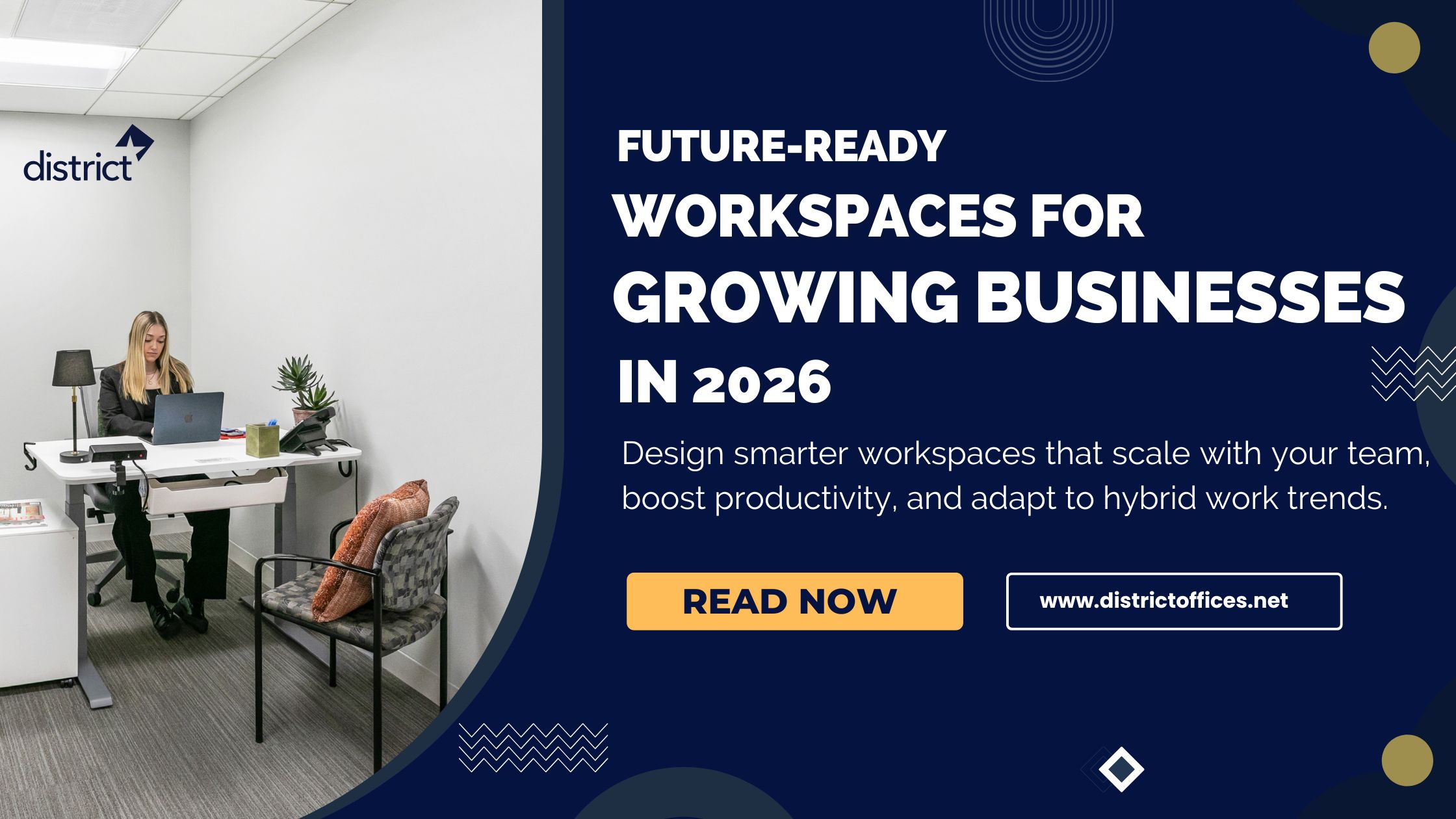


As teams grow, office space decisions become harder to ignore. What works for a team of three often breaks down at eight or ten. Meetings increase, focus becomes harder, privacy matters more—and budgets still need discipline.
In Washington, DC, these decisions carry added weight. It’s a credibility-driven market where clients, partners, and employees expect professionalism. That’s why the question of private offices vs. coworking spaces in Washington, DC is especially important for growing teams.
Both options can support growth—but at different stages. The challenge is knowing what fits now and what you’ll need next.
This guide explains the differences clearly, outlines when each option makes sense, and helps growing teams in DC choose with confidence.
Why Office Space Choices Become Critical as Teams Grow
Office space directly affects how teams work. As headcount increases, small inconveniences become daily problems.
The right setup helps teams:
- Stay focused with fewer distractions
- Collaborate without overcrowding
- Present a professional image to clients
- Scale without repeated disruption
In DC, workspace decisions often signal how established and reliable a business appears.
Also Read: 10 Common Coworking Space Problems (And How the Right Workspace Solves Them)
What Coworking Spaces in Washington, DC Are Best Suited For
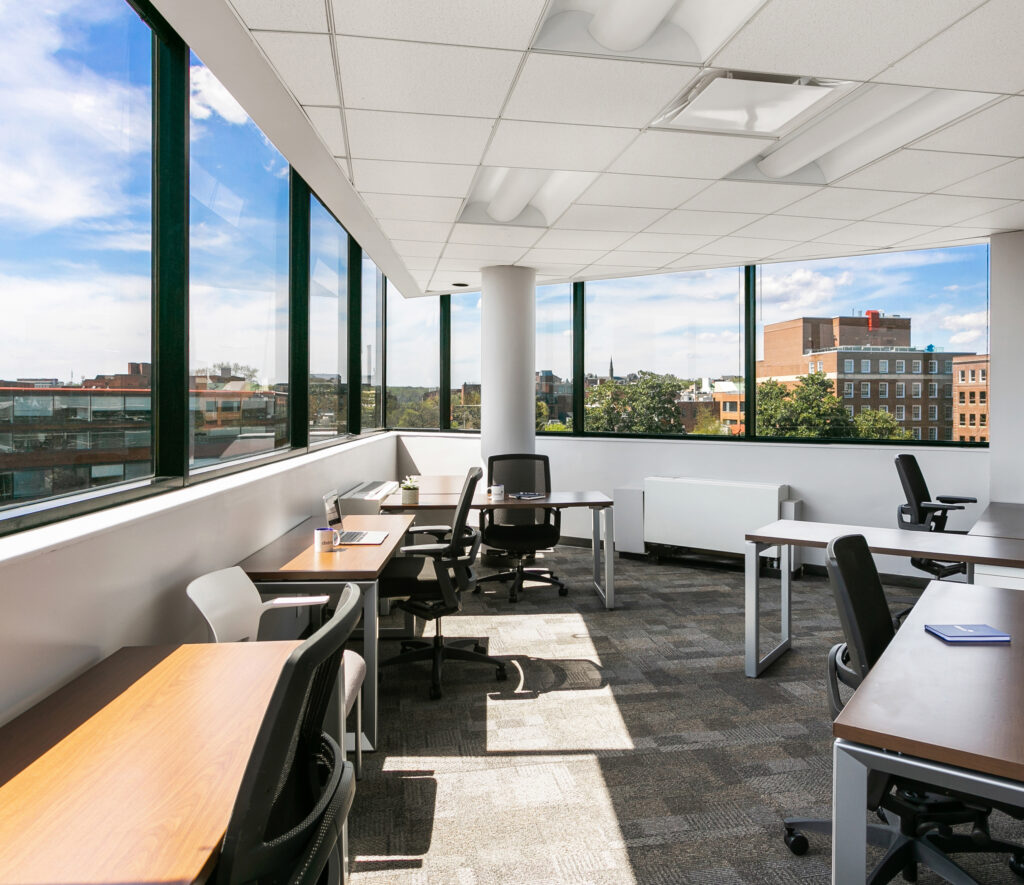
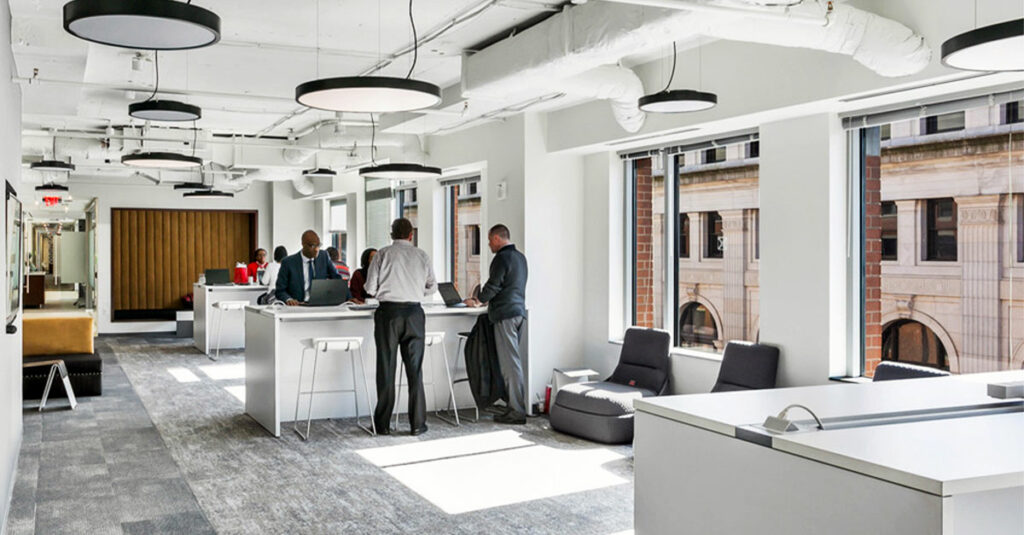
Coworking spaces are shared environments built around flexibility and speed. They typically offer open seating, shared meeting rooms, common areas, and short-term memberships. Internet, utilities, and basic services are bundled into a single monthly fee.
This model allows teams to get started quickly with minimal commitment or setup.
When Coworking Makes Sense for Early-Stage and Small Teams
Coworking is most effective during early growth stages, when teams need more flexibility than structure.
Coworking is a strong fit when:
- Teams are small and agile
- Work is project-based or experimental
- Budget flexibility is critical
- Networking and collaboration add value
For early-stage teams, shared office space in DC offers speed, access, and energy without long-term pressure.
Where Coworking Spaces Start to Limit Growing Teams
As teams grow, coworking spaces can become limiting. What once felt flexible may start to feel distracting or inefficient.
Common challenges include:
- Noise that disrupts focused work
- Limited privacy for meetings and calls
- Difficulty building a cohesive team culture
- Rising costs as more seats are added
At this point, many teams begin reassessing coworking vs. private office options in DC.
What Growing Teams Gain from Private Office Space in DC

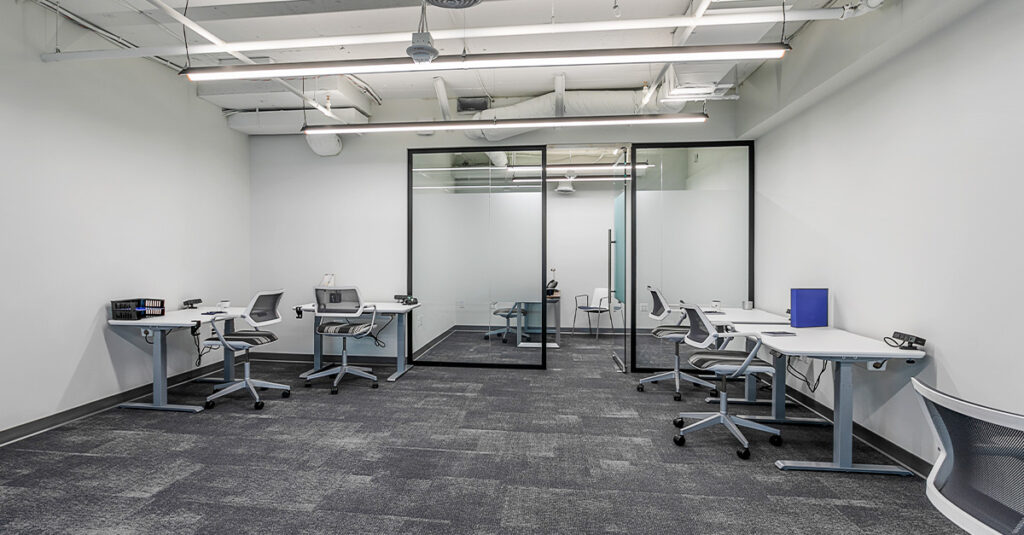
Private offices are enclosed spaces designed for a single company. They provide control, privacy, and consistency as teams scale. Private office space in DC typically includes dedicated work areas, secure access, and meeting rooms. In managed or serviced office setups, internet, cleaning, reception, and maintenance are bundled—reducing operational burden.
This creates a stable, professional environment that supports growth.
How Private Offices Improve Focus, Privacy, and Team Stability
Private offices are built for teams that need structure and reliability.
Key benefits include:
- Quiet environments for deep work
- Secure space for confidential conversations
- Predictable seating and workflows
- Stronger internal culture and routines
As complexity increases, private offices help maintain productivity and focus.
Private Offices vs Coworking Spaces in Washington, DC: Key Differences Explained
Seeing the differences side by side makes the decision clearer.
Workspace Comparison
| Factor | Coworking Spaces | Private Offices |
| Privacy | Limited | High |
| Noise Control | Low | Strong |
| Brand Presence | Minimal | Fully customizable |
| Cost Structure | Per person | Flat or scalable |
| Best Team Size | 1–6 | 5+ |
| Scalability | Costly over time | Designed for growth |
| Client Meetings | Shared rooms | Dedicated spaces |
Private Office vs Coworking Cost Comparison in DC
Coworking spaces typically charge per person. Entry costs are low, but expenses rise steadily as teams grow—often with added fees for meeting rooms or privacy.
Private offices usually offer flat monthly pricing. As headcount increases, cost per person becomes more predictable. For many teams, serviced offices in DC deliver better long-term value.
Scenarios Where Coworking Is the Right Choice
Coworking works best when flexibility and speed matter more than long-term structure.
It’s well-suited for:
- Solo professionals seeking a professional environment
- Small startups validating ideas or business models
- Short-term projects with defined timelines
- Companies testing the DC market before committing
In these cases, coworking offers adaptability without sacrificing professionalism.
Signs It’s Time to Move from Coworking to a Private Office
Most teams don’t plan the transition—it becomes clear through daily experience.
Common indicators include:
- Team size reaching 6–10 people
- Frequent internal meetings needing privacy
- Regular client calls or visits
- Declining focus due to noise and interruptions
Private offices restore structure, improve concentration, and support predictable workflows.
Choosing the Best Office Space for Startups in Washington, DC
Startups evolve quickly. Early flexibility is essential, but credibility and structure become critical as teams grow.
The best startup office spaces in DC typically offer:
- Flexible terms with low risk
- Room to scale without constant moves
- Professional environments for clients and investors
- Managed services that reduce overhead
Hybrid workspace models often strike the right balance by combining private offices with shared amenities.
Office Space Options Growing Teams Can Choose in Washington D.C.
Washington, DC offers workspace solutions for every growth stage, including:
- Coworking memberships for flexibility
- Private offices for focus and stability
- Serviced offices with bundled support
- Hybrid models that adapt as teams scale
The right choice depends on team size, collaboration style, client interaction, and growth plans.
Key Benefits of Private Offices for Growing Teams
Private offices provide more than separation—they deliver structure and momentum.
| Aspect | Private Office Advantage |
| Focus & Productivity | A quiet, controlled environment supports deep work. |
| Privacy | Enclosed spaces for confidential meetings and calls |
| Team Collaboration | Dedicated layout improves coordination and workflows. |
| Brand Presence | Allows consistent branding and professional client experience |
| Cost Efficiency at Scale | Flat pricing becomes more predictable as teams grow. |
| Long-Term Stability | Supports hiring, planning, and sustained growth |
These benefits become increasingly important as teams grow, and responsibilities expand.
Pros and Cons of Coworking Spaces for Growing Businesses
Coworking offers speed and flexibility but comes with trade-offs.
Advantages:
- Quick setup and short commitments
- Lower upfront costs
- Energetic, network-rich environment
Limitations:
- Noise and distractions
- Limited privacy
- Rising costs as teams expand
- Harder to build a distinct culture
Understanding both sides helps teams choose intentionally.
Why District Offices Works for Growing Teams in DC
The provider matters as much as the space.
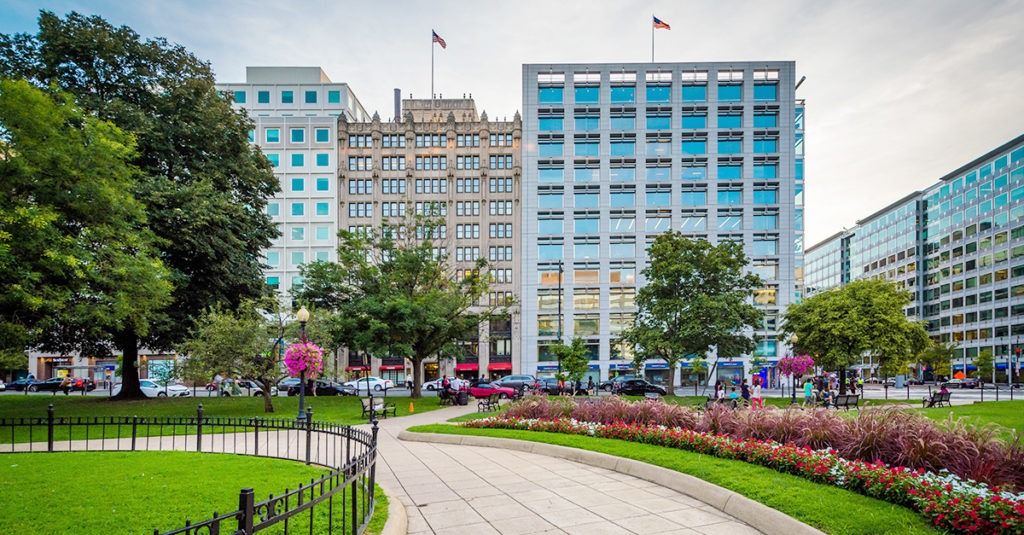
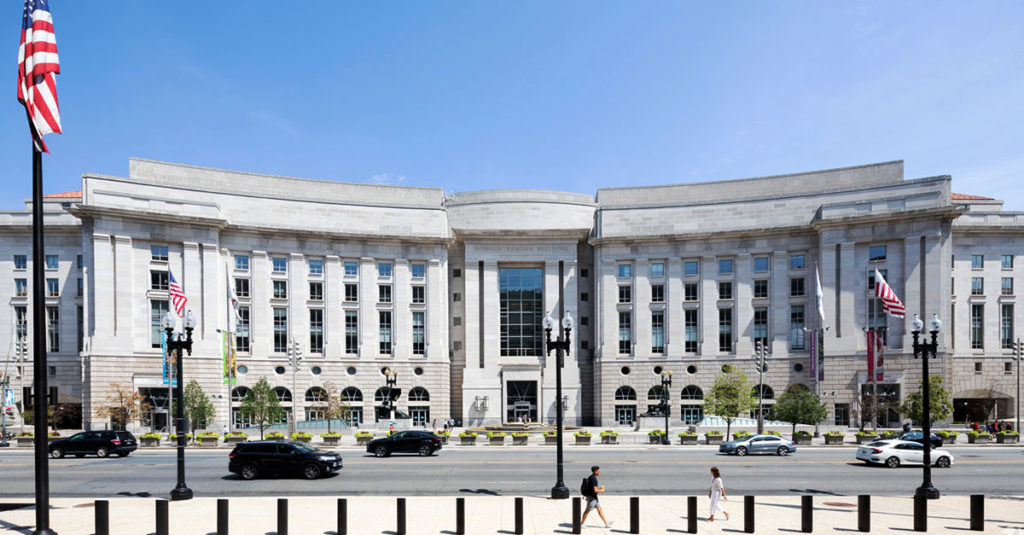
District Offices offers both coworking and private offices in Washington, DC, designed for growing teams that need flexibility without sacrificing professionalism. Locations include:
- Georgetown
- Farragut Square
- Pennsylvania Avenue
- Capitol Hill
Each location offers transit access, thoughtful design, and the credibility DC businesses expect.
Final Thoughts
There’s no single right answer to the private office vs. coworking debate. Timing matters.
Coworking supports early flexibility. Private offices support focus, scale, and stability.
For teams seeking professional office space in Washington, DC that evolves with growth, choosing a workspace that fits today—and tomorrow—makes all the difference.
Frequently Asked Questions
A: Coworking supports early growth. However, as teams expand, structure often becomes more important than flexibility. At that stage, private offices usually provide stronger long-term support.
A: Growing businesses need room to adapt. Flexible office space in Washington, DC, allows teams to adjust without disruption. Scalable office space in DC supports growth without the need for repeated moves.
A: Washington, D.C., offers coworking spaces, private offices, serviced offices, and hybrid workspace models. Each option suits teams of different sizes, budgets, and growth stages.