

In today’s fast-paced business landscape, collaboration and teamwork are the cornerstones of success. As a result, businesses are turning to dedicated offices and meeting rooms. Casual meeting spaces—such as lounges or coffee shops—often introduce distractions that limit performance.
As a result, more businesses are turning to meeting rooms to foster collaboration and boost team productivity. These professional spaces offer a distraction-free environment where teams can focus, make faster decisions, and streamline workflows.
Table of Contents
ToggleWhy does collaboration matter in modern workplaces?
In today’s digital and hybrid work environments, effective collaboration drives innovation and productivity. When teams openly share ideas and communicate effectively, they become more creative and agile, allowing them to make quicker decisions and deliver better results.
Dedicated collaboration spaces also keep employees engaged and motivated. According to a 2025 McKinsey report, companies with structured collaboration environments see 20–25% higher productivity. Furthermore, teams working in quiet, well-equipped environments show a 30% increase in focus and brainstorming capabilities.
Also Read: Flexible Meeting Rooms in Washington, DC: Hourly, Daily, and Monthly Options
The Role of Meeting Rooms in Enhancing Collaboration
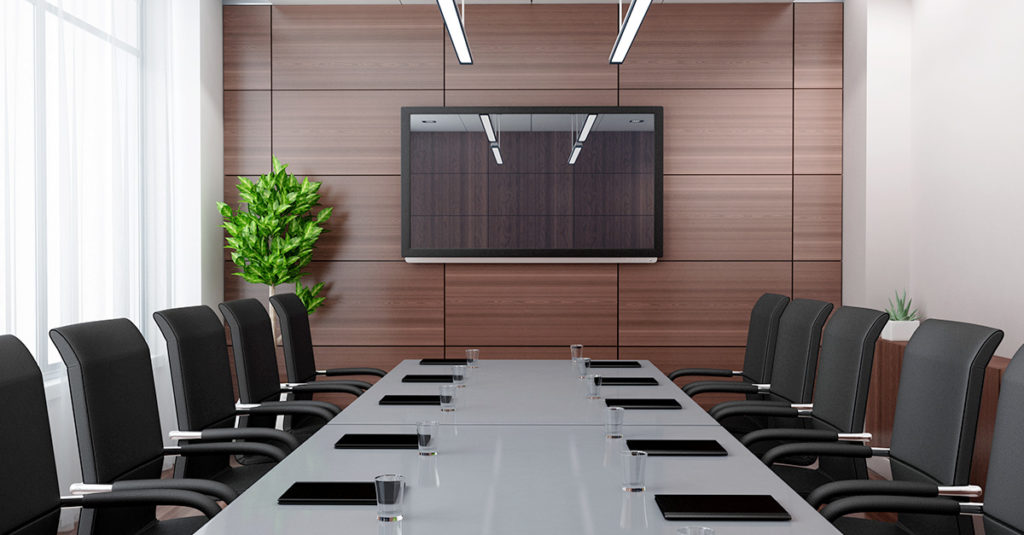
Professional meeting rooms have a significant impact on team collaboration. Unlike coffee shops or working from home, which are often noisy and full of interruptions, dedicated meeting rooms provide a secure and structured setting for important discussions.
Here’s how meeting rooms support collaboration:
- Enhanced Focus: A quiet environment minimizes distractions, helping teams stay focused on the agenda.
- Confidentiality: Meeting rooms ensure private and secure conversations—essential for sensitive discussions.
- Boosted Creativity: A calm, noise-free setting fosters deeper thinking and innovation.
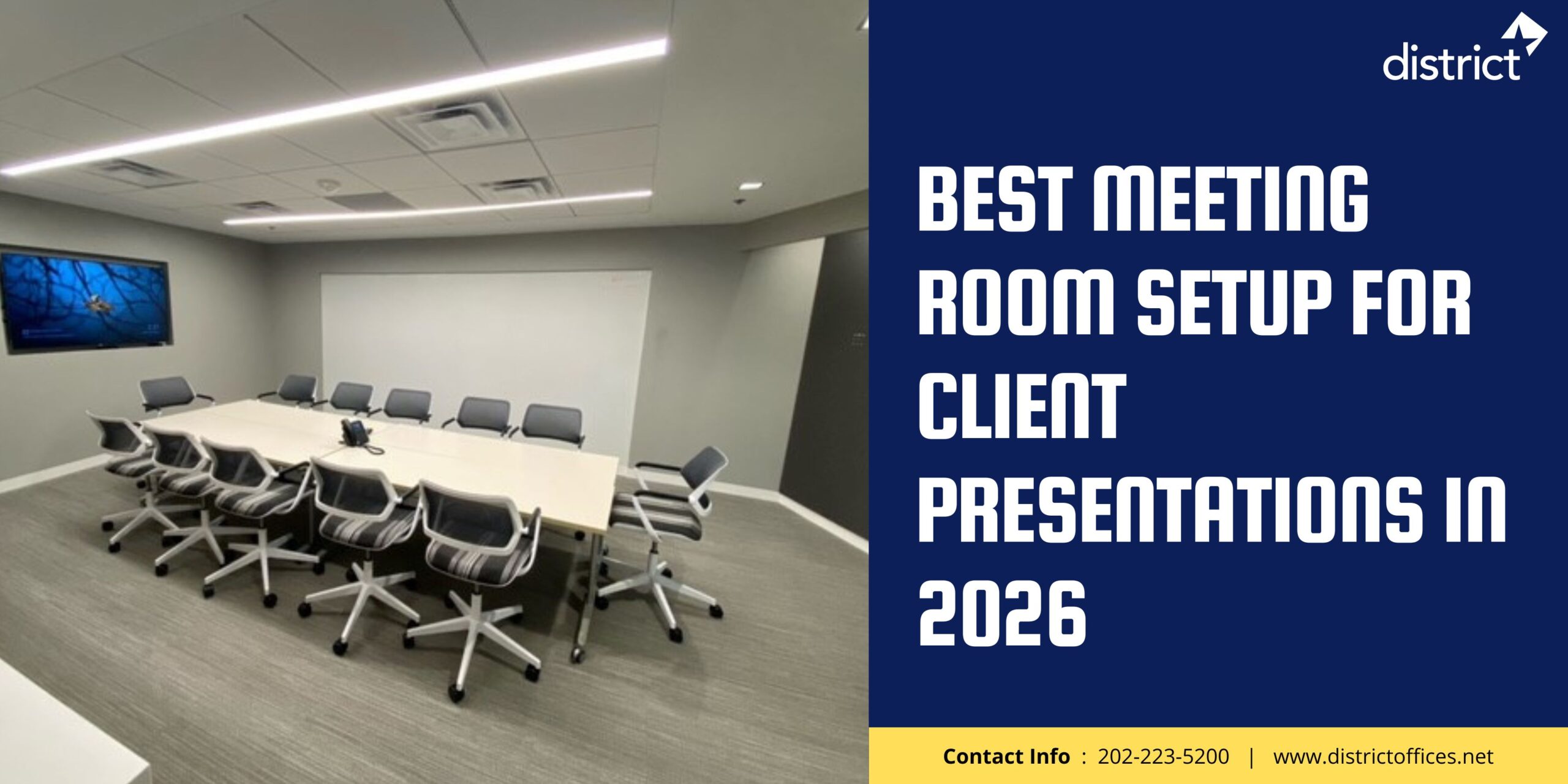
- Professional Setup: Equipped with ergonomic furniture, AV tools, and smart tech, meeting rooms create a productive and seamless experience.
Ultimately, professional meeting rooms offer a level of structure and privacy that’s hard to match in informal settings, making them ideal for collaborative work.
Read Also: How to Host Effective Business Meetings for Success and Productivity
Key Features of Modern Meeting Rooms
Modern businesses require more than just four walls and a table—they need dynamic, well-equipped spaces tailored to different work styles and needs. Today’s meeting rooms are designed to empower teams with the right tools, layout, and support.
Here are the key features of modern meeting rooms:
- Private and Secure Environment
Confidentiality is non-negotiable for businesses like law firms, consultants, and financial services. Meeting rooms offer secure spaces for sensitive discussions without the risk of information leaks.
- Advanced Tech Infrastructure
From high-speed internet and video conferencing tools to interactive whiteboards, modern meeting rooms come fully equipped with the technology needed to run efficient meetings—on-site or remotely.
- Flexible Layouts
Every meeting has different needs. Whether it’s a large team gathering or a one-on-one discussion, meeting rooms offer flexible configurations to suit your agenda.
- Essential Amenities
Professional meeting rooms often include access to refreshments, on-demand tech support, AV equipment, and other amenities that contribute to comfort, efficiency, and productivity.
These features combine to create a collaborative environment free from distractions, enabling teams to focus and perform at their best.
How Meeting Rooms Drive Team Productivity
Professional meeting rooms create an ideal environment for focused, effective, and goal-oriented work. Compared to casual or public spaces, they eliminate distractions and encourage structured collaboration.
Here’s how meeting rooms support productivity:
- Faster Decision-Making: A focused, professional setting helps teams align quickly and make more efficient decisions.
- Seamless Hybrid Collaboration: With the right tech infrastructure, teams can effortlessly connect with remote colleagues and clients.
- Reduced Meeting Fatigue: A structured setting and reliable tech reduce interruptions and delays, leading to shorter, more impactful meetings.
With these advantages, meeting rooms help teams stay on task, reduce stress, and increase their output.
Benefits of Meeting Rooms for Different Teams
Different types of teams benefit from meeting rooms in unique ways. Here’s how:
- Creative Teams
For brainstorming and ideation sessions, collaborative environments are essential. Meeting rooms provide the space and structure needed to spark creativity and share ideas openly.
- Tech Teams
These teams need quiet, focused environments to plan, troubleshoot, and innovate. Meeting rooms offer the tools and setup needed to facilitate problem-solving and agile collaboration.
- Consultants and Law Firms
Sensitive client discussions require privacy and professionalism. Meeting rooms ensure confidentiality and help project a polished, trustworthy image to clients.
- Startups and SMEs
For emerging businesses, image matters. Professional meeting rooms help showcase a serious, credible presence during client presentations or investor meetings.
All teams benefit from the focus, flexibility, and resources meeting rooms provide.
Factors to Consider When Choosing a Meeting Room
When selecting a meeting room, businesses should evaluate several factors to ensure the space aligns with their goals:
- Purpose of the Meeting: Is it for brainstorming, a formal presentation, or client negotiation? Match the room features to your objective.
- Number of Participants: Choose a room that accommodates your team size without unnecessary space (or cost).
- Layout & Design: Consider whether you need boardroom-style seating, presentation equipment, or collaborative desk setups.
- Tech & Amenities: Ensure the room includes essential tech—like video conferencing, whiteboards, and AV tools—as well as amenities such as refreshments or support staff.
Carefully assessing these elements will help you find the right space for impactful meetings and productive outcomes.
Final Thoughts
This blog has covered how professional meeting rooms spark collaboration and team productivity—and why they’re a better alternative to informal spaces.
If you’re looking for modern meeting rooms in Washington, DC, contact District Offices at 202-223-5200 to boost your team’s productivity, collaboration, and professionalism.
Frequently Asked Questions
A: Professional meeting rooms are the best for collaboration and productivity. Your team will get everything you need from flexible layouts to essential amenities.
A: Yes, coworking meeting rooms support hybrid teams. You will find all the necessary tools to connect with hybrid members effectively.
A: At District Offices, you will get flexible options for professional meeting rooms. You can easily scale and adjust them according to your budget, participants, and amenities needs.
A: District Offices offers the following key features:
Private & Secure Environment
Tech Infrastructure
Flexible Layouts
Essential Amenities